In today’s connected world, cyber threats are becoming more common and more sophisticated. Businesses, organizations, and individuals all depend on digital systems to store information, communicate, make payments, and perform everyday tasks. While technology provides many benefits, it also creates opportunities for cybercriminals. This is where Threat Detection becomes extremely important.
Threat Detection is the process of identifying suspicious activities, malicious software, unauthorized access, and other potential security risks before they can cause serious damage. A strong threat detection strategy can help organizations discover attacks early, protect sensitive information, and reduce the impact of security incidents.
Whether you run a small business, manage a large organization, or simply use the internet every day, understanding how Threat Detection works can help you make better security decisions.
What Is Threat Detection?
Threat Detection refers to the technologies, processes, and security practices used to identify potential cyber threats. These threats can include malware, ransomware, phishing attacks, unauthorized logins, suspicious network activity, and attempts to steal confidential information.
Traditional security methods often focus on preventing known threats. Threat Detection goes a step further by continuously monitoring systems and looking for unusual behavior that could indicate an attack.
For example, imagine an employee normally logs into a company system from the United States during working hours. Suddenly, the same account attempts to access sensitive information from another country at 3 a.m. This unusual activity could be a warning sign. A threat detection system can identify the behavior and alert security teams.
The main goal is simple: detect potential threats as early as possible so they can be investigated and stopped.
Why Is Threat Detection Important?
Cyberattacks can have serious consequences. A successful attack may result in stolen data, financial losses, damaged systems, business interruptions, or reputational problems.
Threat Detection helps organizations reduce these risks by providing visibility into what is happening across their digital environments.
One of its biggest advantages is early detection. The longer an attacker remains inside a network, the more opportunities they may have to access sensitive information or damage systems. Detecting suspicious activity quickly can significantly reduce the potential impact.
Threat Detection is also important because modern organizations use many different technologies. Employees may work from laptops, smartphones, cloud platforms, applications, and remote networks. Monitoring all of these environments manually is extremely difficult.
Automated security tools can analyze large amounts of information and identify patterns that humans might miss.
How Does Threat Detection Work?
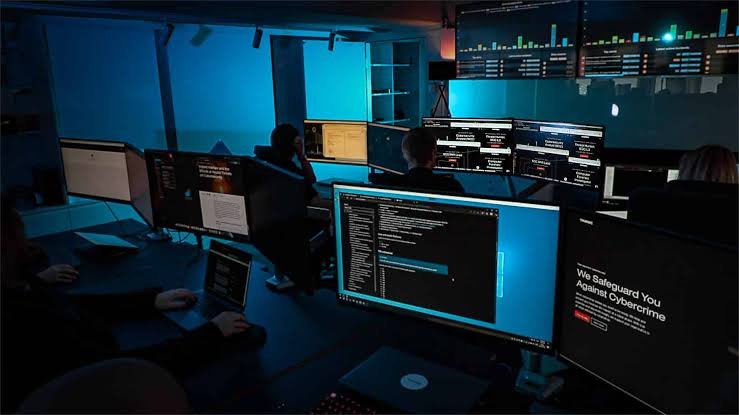
Threat Detection generally works by collecting and analyzing security-related information from different sources. These sources may include computers, servers, applications, cloud services, network devices, and user accounts.
The process usually involves several important steps.
1. Data Collection
Security systems collect information about activity across a digital environment. This can include login attempts, network connections, file changes, application activity, and security alerts.
The more useful information a system can collect, the better it can understand what normal activity looks like.
2. Activity Monitoring
After collecting information, security tools continuously monitor activity. They look for events that appear unusual or potentially dangerous.
For example, multiple failed login attempts within a short period may indicate that someone is trying to guess a password.
3. Threat Analysis
The collected information is analyzed using security rules, behavioral analysis, threat intelligence, and sometimes artificial intelligence or machine learning.
The system attempts to determine whether an activity is normal or suspicious.
4. Alert Generation
When a potentially dangerous event is detected, the security system can generate an alert. Security professionals can then investigate the event and determine whether it represents a real threat.
5. Response and Investigation
If the activity is confirmed as malicious, security teams can take action. Depending on the situation, they may block an account, isolate an infected device, remove malicious software, or investigate the source of the attack.
Common Types of Cyber Threats
Threat Detection systems are designed to identify many different types of attacks. Understanding common threats can help explain why continuous monitoring is necessary.
Malware
Malware is malicious software designed to damage systems, steal information, or gain unauthorized access. Viruses, spyware, and trojans are examples of malware.
Threat detection technologies can look for suspicious files, unusual application behavior, or known malware signatures.
Ransomware
Ransomware is a particularly dangerous form of malware. It can encrypt files or systems and demand payment from victims.
Early detection can help organizations identify suspicious file activity before large amounts of data are affected.
Phishing
Phishing attacks attempt to trick users into revealing passwords, financial information, or other sensitive data. Attackers commonly use fake emails, websites, or messages.
Threat Detection can help identify suspicious links, unusual email activity, and other indicators associated with phishing campaigns.
Unauthorized Access
Attackers may attempt to gain access to systems using stolen credentials or weak passwords. Monitoring login activity can help identify unusual authentication patterns.
Insider Threats
Not every security threat comes from outside an organization. Employees, contractors, or other authorized users can sometimes intentionally or accidentally create security risks.
Threat Detection can identify unusual access to files, databases, or applications and help security teams investigate the activity.
Threat Detection vs. Threat Prevention
Threat Detection and threat prevention are related, but they are not exactly the same.
Threat prevention focuses on stopping threats before they enter or affect a system. Examples include firewalls, antivirus software, access controls, and security policies.
Threat Detection focuses on identifying threats that may have bypassed preventive controls or are behaving suspiciously.
Both are important. Even organizations with strong preventive security measures can experience attacks because cybercriminals continuously develop new techniques.
A strong cybersecurity strategy therefore combines prevention, detection, investigation, and response.
The Role of Artificial Intelligence in Threat Detection
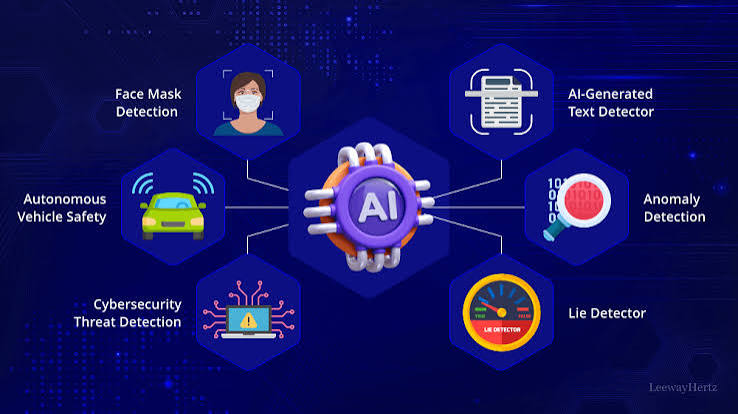
Artificial intelligence and machine learning are increasingly being used to improve security monitoring.
Modern organizations generate enormous amounts of digital information every day. It can be difficult for security professionals to manually review every event.
AI-based systems can analyze large datasets and identify unusual patterns more quickly. For example, a system may learn what normal user behavior looks like and identify activities that significantly differ from that pattern.
However, AI should not completely replace human security professionals. Automated systems can sometimes produce false alarms or misunderstand unusual legitimate behavior.
Human expertise remains important for investigating alerts, understanding context, and making security decisions.
Benefits of Effective Threat Detection
A well-designed Threat Detection strategy can provide several important benefits.
Faster Incident Response
When security teams receive alerts quickly, they can investigate suspicious activity before it becomes a larger incident.
Better Visibility
Threat Detection provides organizations with a clearer understanding of what is happening across their networks, devices, applications, and accounts.
Reduced Security Risk
Continuous monitoring can help identify weaknesses and suspicious activities before attackers can cause significant damage.
Protection of Sensitive Information
Organizations often store customer information, financial records, employee data, and intellectual property. Detecting unauthorized access can help protect these valuable assets.
Improved Security Awareness
Regular monitoring can reveal common attack patterns and weaknesses. Organizations can use this information to improve employee training and security policies.
Challenges of Threat Detection
Although Threat Detection provides significant benefits, it also comes with challenges.
One major challenge is the large number of security alerts. A poorly configured system may generate thousands of notifications, making it difficult for security teams to identify the most important ones.
This problem is sometimes called alert fatigue. When employees receive too many low-priority alerts, they may struggle to focus on genuine threats.
Another challenge is the constantly changing nature of cyberattacks. Criminals regularly develop new methods to bypass security controls.
Organizations also need skilled professionals who understand cybersecurity, network behavior, and incident response.
For these reasons, effective Threat Detection requires more than simply installing security software. It requires proper configuration, regular monitoring, updated security policies, and trained personnel.
Best Practices for Improving Threat Detection
Organizations can improve their security capabilities by following several practical strategies.
First, they should maintain accurate visibility across their digital environment. It is difficult to protect systems that are not properly monitored.
Second, security tools should be updated regularly. Outdated software may not recognize newer threats.
Third, organizations should establish clear security policies and response procedures. Employees should know what to do when suspicious activity is discovered.
Strong authentication is also important. Using multi-factor authentication can make it more difficult for attackers to access accounts using stolen passwords.
Regular employee training should not be ignored either. Many successful attacks begin with human mistakes, such as clicking a suspicious link or downloading an unsafe attachment.
Finally, organizations should regularly review security alerts and investigate unusual behavior instead of assuming every alert is harmless.
Threat Detection for Small Businesses
Threat Detection is not only important for large corporations. Small businesses can also become targets because they may have valuable customer information but fewer security resources.
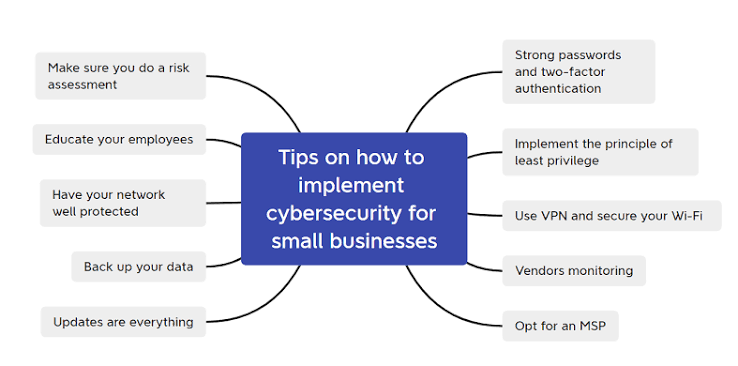
Small businesses can begin with basic measures such as strong passwords, multi-factor authentication, regular software updates, secure backups, antivirus protection, and network monitoring.
As the organization grows, its security program can become more advanced.
The key is to treat cybersecurity as an ongoing process rather than a one-time project.
The Future of Threat Detection
The future of Threat Detection will likely involve greater automation, improved behavioral analysis, and stronger integration between security technologies.
As organizations move more services to cloud platforms and adopt remote work, security monitoring will need to cover increasingly complex environments.
Artificial intelligence may help security teams analyze large quantities of information and prioritize the most serious alerts.
At the same time, cybercriminals are also becoming more advanced. This means organizations will need to continuously improve their security strategies.
The future of cybersecurity will not depend on a single tool. Instead, successful protection will require a combination of technology, skilled professionals, employee awareness, strong policies, and continuous monitoring.
Frequently Asked Questions (FAQs)
1. What is Threat Detection?
Threat Detection is the process of identifying suspicious, malicious, or unusual activity that could indicate a cyberattack or security risk.
2. Why is Threat Detection important?
Threat Detection helps organizations identify cyber threats early, protect sensitive information, reduce security risks, and respond to attacks more quickly.
3. How does Threat Detection work?
Threat Detection works by monitoring network traffic, user activity, devices, applications, and systems. Security tools analyze this information to identify unusual or potentially harmful behavior.
4. What types of threats can Threat Detection identify?
Threat Detection can help identify malware, ransomware, phishing attacks, unauthorized access, suspicious login attempts, insider threats, and unusual network activity.
5. Can small businesses use Threat Detection?
Yes. Small businesses can use Threat Detection to monitor their systems and protect customer information, business data, accounts, and devices from cyber threats.
Final Thoughts
Threat Detection is an essential part of modern cybersecurity. As businesses and individuals become increasingly dependent on digital technology, the ability to identify suspicious activity quickly is more important than ever.
Threat Detection helps organizations monitor systems, identify unusual behavior, investigate potential attacks, and respond before security incidents become more damaging.
No security system can guarantee that every cyberattack will be prevented. However, effective monitoring and early detection can significantly improve an organization’s ability to respond to threats.
By combining reliable security technologies with strong passwords, multi-factor authentication, employee education, regular updates, and a clear incident response plan, organizations can build a stronger defense against the constantly changing cybersecurity landscape.
Ultimately, cybersecurity is not just about preventing attacks. It is also about knowing what is happening inside your digital environment and being prepared to act when something does not look right. That is the real value of effective Threat Detection.