Ransomware has become one of the most serious cybersecurity threats for individuals, businesses, schools, healthcare organizations, and government institutions. A ransomware attack can lock important files, disrupt daily operations, and create significant financial and reputational damage. As cyber threats continue to evolve, having reliable ransomware protection is no longer optional. It is an essential part of maintaining digital security.
The good news is that ransomware attacks can often be prevented or significantly reduced with the right security practices. Strong passwords, regular backups, updated software, employee awareness, security tools, and careful online behavior can all work together to create multiple layers of protection.
In this guide, we will explain what ransomware is, how ransomware attacks work, why ransomware protection matters, and what practical steps you can take to protect your devices and data.
What Is Ransomware?
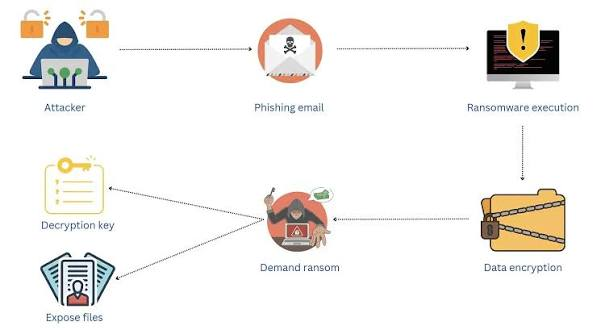
Ransomware is a type of malicious software designed to prevent victims from accessing their files, systems, or sometimes entire networks. In many cases, attackers encrypt files and demand money in exchange for a decryption key.
A ransomware attack may begin with something as simple as a deceptive email attachment, a suspicious download, a compromised website, or stolen login credentials. Once the malicious software reaches a device, it may attempt to spread across connected systems and encrypt valuable information.
Modern ransomware attacks can also involve data theft. Instead of only locking files, some attackers copy sensitive information and threaten to publish it if their demands are not met. This makes ransomware a serious privacy and business continuity concern.
Why Ransomware Protection Is Important
Digital information has become one of the most valuable assets for modern organizations and individuals. Photos, financial documents, customer records, business files, passwords, and other important information may all be stored electronically.
Without effective ransomware protection, losing access to these files can cause serious problems. A business could experience downtime, customers might be affected, and employees may be unable to perform their normal duties.
For individuals, ransomware can result in the loss of personal documents, photographs, schoolwork, and other irreplaceable files.
Effective protection focuses on preventing an attack before it happens and minimizing damage if an attack occurs.
Common Ways Ransomware Spreads
Understanding how ransomware enters a system is one of the first steps toward better protection. Cybercriminals commonly use social engineering and security weaknesses to gain access.
Phishing Emails
Phishing is one of the most common methods used to distribute ransomware. An attacker may send an email that looks like it came from a legitimate company, coworker, delivery service, or financial institution.
The message may contain a malicious attachment or a link to a fake website. If the recipient opens the attachment or provides login information, the attacker may gain an opportunity to compromise the device.
Malicious Downloads
Downloading software, documents, or media from untrusted websites can expose a device to malware. Fake software updates and pirated applications can also be used to distribute malicious programs.
Weak or Stolen Passwords
Attackers may use stolen credentials to access online accounts, remote services, or business networks. Once inside, they may attempt to deploy ransomware across connected systems.
Outdated Software
Old operating systems and applications may contain known security weaknesses. Attackers can sometimes exploit these vulnerabilities to gain unauthorized access.
Keeping software updated is therefore an important part of ransomware protection.
Best Ransomware Protection Practices
There is no single security solution that can guarantee complete protection from every cyberattack. Instead, effective security usually comes from combining multiple defensive measures.
1. Keep Regular Backups
One of the most important ransomware protection strategies is maintaining reliable backups.
Important files should be backed up regularly to a secure location. For greater protection, organizations should consider keeping backups that are isolated from everyday systems so that attackers cannot easily access or encrypt them.
It is also important to test backups periodically. A backup is only useful if the files can actually be restored when needed.
2. Keep Software Updated
Software developers regularly release security updates to fix vulnerabilities. Delaying these updates can leave devices exposed to known threats.
Operating systems, web browsers, applications, security software, and network devices should be updated according to the manufacturer’s recommendations.
Automatic updates can make this process easier for users who may otherwise forget to install important patches.
3. Use Strong Passwords
Weak passwords can make it easier for attackers to compromise accounts. Use long, unique passwords for important accounts and avoid reusing the same password across multiple services.
A reputable password manager can help generate and store strong passwords without requiring users to memorize every password.
Multi-factor authentication adds another important layer of security. Even if a password is stolen, an additional verification step can make unauthorized access more difficult.
4. Be Careful With Email Attachments
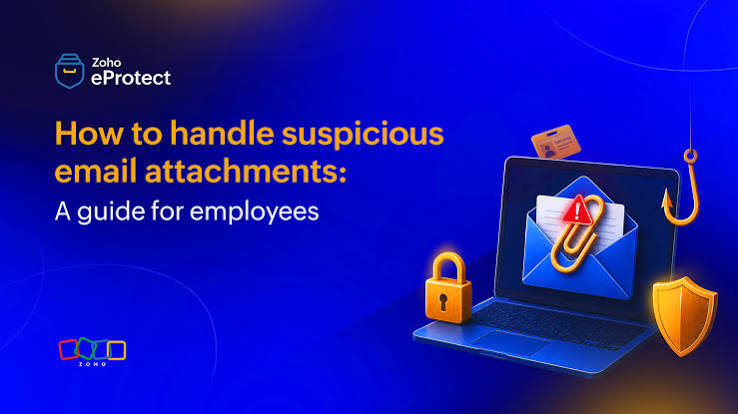
Never open unexpected attachments simply because an email appears professional or urgent.
Before clicking a link or downloading an attachment, check the sender’s address and consider whether the message is expected. Be especially cautious with messages that create pressure by demanding immediate action.
If an email seems suspicious, verify it through another trusted communication method.
5. Install Reliable Security Software
Security software can help detect and block malicious files, suspicious activity, and known ransomware behavior.
For businesses, endpoint security solutions can provide centralized visibility across multiple devices. Security tools should be kept updated so they can recognize newer threats and suspicious patterns.
However, security software should be treated as one layer of protection rather than a complete solution.
6. Limit User Access
Organizations can reduce potential damage by giving employees only the access they actually need.
If every account has administrative privileges, a compromised account may have greater opportunities to affect the wider network. Using the principle of least privilege can help limit unauthorized activity.
Access permissions should also be reviewed regularly, especially when employees change roles or leave an organization.
7. Educate Employees
Technology alone cannot eliminate every ransomware risk. Employees and other users play an important role in cybersecurity.
Regular security awareness training can teach people how to recognize suspicious emails, fake login pages, unusual requests, and potentially dangerous downloads.
Organizations should create a culture where employees feel comfortable reporting suspicious activity rather than ignoring it.
What Should You Do After a Ransomware Attack?
If you believe a device has been infected with ransomware, acting quickly is important.
First, disconnect the affected device from networks where possible. This may help reduce the chance of the ransomware spreading to other connected systems.
Next, contact the appropriate IT or cybersecurity team if you are part of an organization. Avoid making rushed decisions or interacting with suspicious messages from attackers.
If reliable backups are available, security professionals can assess whether the affected systems can be restored safely.
Organizations should also investigate how the ransomware entered the environment and identify weaknesses that need to be addressed. Simply restoring files without fixing the original security problem may leave the door open for another attack.
Ransomware Protection for Businesses
Businesses often face greater ransomware risks because they manage larger networks and valuable information.
A strong business security strategy may include endpoint protection, network monitoring, access controls, multi-factor authentication, vulnerability management, employee training, regular backups, and an incident response plan.
Businesses should also identify their most important systems and data. Knowing which resources are critical can help organizations prioritize recovery during a security incident.
Regular security assessments can reveal weaknesses before criminals find them.
Ransomware Protection for Individuals
Home users can also take simple steps to improve their security.
Keep your computer and mobile devices updated, use strong passwords, enable multi-factor authentication where available, and maintain backups of important personal files.
Avoid downloading applications from unknown sources and be cautious when receiving unexpected messages.
It is also worth reviewing the privacy and security settings of online accounts. Removing unused accounts and limiting unnecessary permissions can reduce the number of opportunities attackers have to compromise your information.
The Future of Ransomware Protection
Ransomware will likely continue to change as attackers develop new techniques. Security teams therefore need to focus on continuous improvement rather than relying on one security product.
Modern cybersecurity increasingly uses behavioral analysis, automated detection, threat intelligence, identity protection, and centralized monitoring to identify suspicious activity.
Artificial intelligence and machine learning are also being incorporated into some security technologies to help identify unusual behavior. At the same time, attackers may use increasingly sophisticated methods, making security awareness and layered defenses more important than ever.
The goal is not simply to respond after an attack but to build systems that make attacks harder to start and limit their impact when they occur.
Final Thoughts
Ransomware can affect anyone, from individual computer users to large organizations. Although no cybersecurity strategy can promise perfect protection, thoughtful preparation can significantly reduce the risks and potential consequences.
The most effective approach combines regular backups, software updates, strong passwords, multi-factor authentication, security software, limited access, employee education, and a clear response plan.
Good ransomware protection is not a one-time task. It is an ongoing process that requires users and organizations to stay informed, review their security practices, and respond to new threats.
By taking practical security measures today, you can make it much more difficult for ransomware to compromise your devices and valuable information tomorrow.