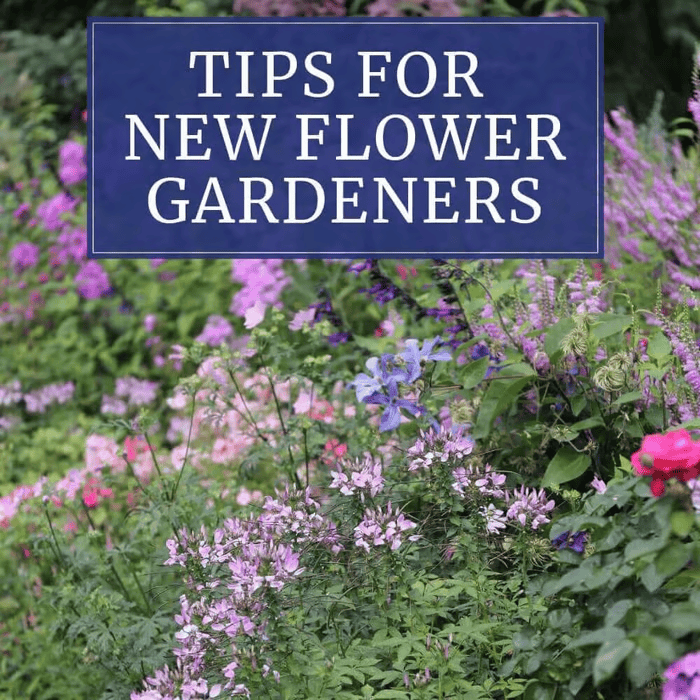
Growing a beautiful flower garden is a rewarding experience, but even the most enthusiastic gardeners make mistakes from time to time. Many common gardening problems—such as poor flowering, yellow leaves, or weak plant growth—are often caused by simple errors that can easily be avoided.
Whether you’re planting your first flower bed or improving an existing garden, understanding these common mistakes will help you grow healthier plants, enjoy more blooms, and save both time and money. The key to successful flower gardening is learning the basics and maintaining a consistent care routine.
In this guide, we’ll explore the most common flower gardening mistakes and provide practical solutions to help your garden flourish all season long.
Why Avoiding Gardening Mistakes Matters
Every mistake affects your plants differently. Some reduce flowering, while others may weaken roots or make flowers more vulnerable to pests and diseases.
By avoiding common errors, you can:
- Grow healthier plants
- Enjoy longer blooming seasons
- Save water and fertilizer
- Reduce pest and disease problems
- Create a more attractive garden
- Spend less time replacing damaged plants
Good gardening habits lead to lasting success.
1. Choosing the Wrong Location
One of the biggest mistakes beginners make is planting flowers in areas with unsuitable growing conditions.
Many flowering plants require at least six to eight hours of direct sunlight each day. Planting sun-loving flowers in shady locations often results in weak stems, fewer blooms, and slow growth.
How to Avoid It
- Observe your garden throughout the day.
- Choose locations with enough sunlight.
- Match flower varieties to the available light conditions.
Always read the plant label before planting.
2. Poor Soil Preparation
Healthy flowers begin with healthy soil. Many gardeners skip soil preparation, expecting flowers to thrive in compact or nutrient-poor ground.
Poor soil can lead to:
- Weak root systems
- Slow growth
- Poor drainage
- Fewer flowers
How to Avoid It
Before planting:
- Remove weeds and rocks.
- Loosen the soil.
- Add compost or aged manure.
- Improve drainage if necessary.
Rich, well-drained soil provides the ideal environment for flowering plants.
3. Overwatering
More water does not always mean healthier plants.
Excessive watering can cause:
- Root rot
- Yellow leaves
- Fungal diseases
- Wilting despite wet soil
How to Avoid It
- Water deeply but less frequently.
- Check soil moisture before watering.
- Water early in the morning.
- Ensure proper drainage.
Most flower gardens need about one inch of water each week.
4. Underwatering
Ignoring your flowers during hot weather can be just as harmful as overwatering.
Signs of underwatering include:
- Dry soil
- Wilting leaves
- Small flowers
- Premature flower drop
How to Avoid It
- Water consistently during dry periods.
- Apply mulch to conserve moisture.
- Monitor container plants more frequently, as they dry out faster.
5. Planting Flowers Too Close Together
It is tempting to create a full-looking garden immediately, but overcrowding causes long-term problems.
Crowded plants compete for:
- Sunlight
- Water
- Nutrients
- Air circulation
This also increases the risk of fungal diseases.
How to Avoid It
Follow the recommended spacing on seed packets or plant labels.
Remember that young plants will grow much larger over time.
6. Ignoring Sunlight Requirements
Different flowers have different light needs.
Sun-loving flowers planted in shade may:
- Produce fewer blooms
- Develop weak stems
- Grow slowly
How to Avoid It
Choose flowers that match your garden’s sunlight conditions.
Examples of full-sun flowers include:
- Marigolds
- Zinnias
- Sunflowers
- Cosmos
Shade-tolerant flowers include:
- Impatiens
- Begonias
- Coleus
7. Using Too Much Fertilizer
Many beginners believe that more fertilizer means more flowers.
In reality, excessive fertilizer often causes:
- Large green leaves
- Few flowers
- Weak stems
- Salt buildup in the soil
How to Avoid It
Use a balanced flower fertilizer according to package instructions.
Organic compost is an excellent alternative for long-term soil health.
8. Forgetting to Remove Dead Flowers
Deadheading encourages plants to produce new blooms instead of seeds.
Without regular deadheading, flowering often slows dramatically.
How to Avoid It
Remove:
- Faded flowers
- Broken stems
- Yellow leaves
Many annual flowers bloom continuously when deadheaded regularly.
9. Ignoring Weeds
Weeds compete directly with flowers for essential resources.
They steal:
- Water
- Nutrients
- Sunlight
- Growing space
How to Avoid It
- Weed regularly.
- Apply mulch around plants.
- Remove weeds before they produce seeds.
A weed-free garden is healthier and easier to maintain.
10. Skipping Mulch
Mulch provides many important benefits.
Without mulch, gardens often experience:
- Dry soil
- Increased weeds
- Temperature fluctuations
- Soil erosion
How to Avoid It
Apply a two- to three-inch layer of organic mulch around flowers.
Popular mulch materials include:
- Bark chips
- Straw
- Pine needles
- Shredded leaves
11. Neglecting Pest Control
Small pest problems can quickly become major infestations.
Common flower garden pests include:
- Aphids
- Slugs
- Caterpillars
- Spider mites
How to Avoid It
Inspect plants every week.
Use natural control methods such as:
- Neem oil
- Insecticidal soap
- Hand removal
- Encouraging ladybugs
Healthy gardens naturally resist many pests.
12. Ignoring Plant Diseases
Diseases spread rapidly if left untreated.
Watch for:
- Powdery mildew
- Leaf spots
- Rust
- Black stems
- Root rot
How to Avoid It
- Water at soil level.
- Improve airflow.
- Remove infected leaves immediately.
- Avoid overcrowding.
Early treatment prevents serious damage.
13. Planting at the Wrong Time
Timing is essential for successful gardening.
Planting too early exposes flowers to frost, while planting too late shortens the blooming season.
How to Avoid It
Learn your area’s average last frost date.
Plant warm-season flowers after the danger of frost has passed.
14. Choosing High-Maintenance Flowers First
Many beginners select beautiful but difficult flowers that require constant care.
How to Avoid It
Start with reliable, beginner-friendly flowers such as:
- Marigolds
- Petunias
- Zinnias
- Cosmos
- Sunflowers
- Sweet Alyssum
Once you gain experience, gradually add more challenging varieties.
15. Not Planning for Different Blooming Seasons
If all flowers bloom at the same time, your garden may look empty later in the season.
How to Avoid It
Plant flowers with different bloom times:
- Spring bloomers
- Summer bloomers
- Autumn bloomers
A mix of annuals and perennials ensures continuous color.
Simple Habits That Lead to Success
Successful flower gardeners develop a few consistent habits.
These include:
- Watering wisely
- Removing weeds weekly
- Feeding plants regularly
- Deadheading faded blooms
- Inspecting for pests
- Adding compost each season
- Keeping gardening tools clean
Small weekly tasks prevent bigger problems later.
Essential Tools Every Flower Gardener Needs
Having the right tools makes gardening easier.
Basic equipment includes:
- Garden gloves
- Hand trowel
- Pruning shears
- Watering can
- Garden hose
- Garden fork
- Small rake
Quality tools last longer and improve efficiency.
Final Thoughts
Every gardener makes mistakes, especially in the beginning. The important thing is to learn from them and continue improving your gardening skills. By avoiding common errors such as overwatering, poor soil preparation, overcrowding plants, and neglecting regular maintenance, you’ll enjoy healthier flowers and a garden that stays colorful throughout the growing season.
Gardening is a journey, and each season brings new opportunities to learn. Start with the basics, care for your plants consistently, and you’ll be rewarded with a thriving flower garden full of beautiful blooms.
Frequently Asked Questions (FAQs)
What is the most common flower gardening mistake?
Overwatering is one of the most common mistakes. It can lead to root rot, yellow leaves, and fungal diseases.
Why are my flowers not blooming?
Lack of sunlight, too much nitrogen fertilizer, poor soil, or improper watering are common reasons for reduced flowering.
How can I keep my flower garden healthy?
Use well-drained soil, provide enough sunlight, water properly, fertilize regularly, remove weeds, and deadhead faded flowers.
How often should I fertilize flowering plants?
Most flowering plants benefit from fertilizing every four to six weeks during the growing season.
Is mulching necessary for flower gardens?
Yes. Mulch helps conserve moisture, suppress weeds, regulate soil temperature, and improve soil quality over time.