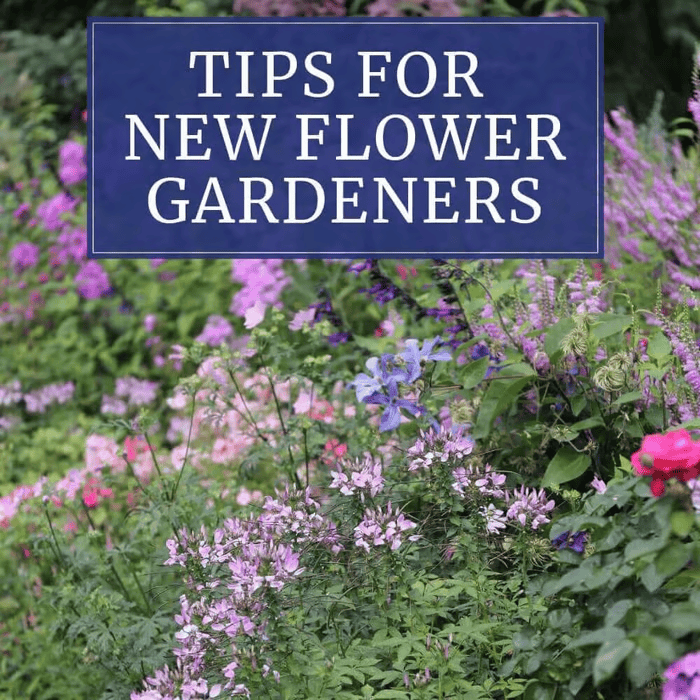
A flower garden doesn’t have to be beautiful for only a few weeks each year. With proper planning and seasonal planting, you can enjoy colorful blooms from early spring until winter. The secret to a year-round flower garden is understanding which flowers thrive in each season and giving them the care they need as the weather changes.
Every season presents unique opportunities and challenges for gardeners. Spring is perfect for planting new flowers, summer encourages vibrant blooms, autumn prepares the garden for the next growing cycle, and winter provides time to protect plants and plan ahead. By working with nature’s rhythm, you can create a landscape that remains attractive in every season.
This complete seasonal guide will help beginners and experienced gardeners grow healthy, colorful flowers all year long.
Why Seasonal Flower Gardening Matters
Flowers respond differently to changing temperatures, sunlight, and rainfall. Planting the right flowers at the right time offers several benefits.
Advantages include:
- Longer blooming seasons
- Healthier plants
- Better resistance to pests and diseases
- Less maintenance
- Continuous color in your garden
- Improved support for pollinators
A seasonal approach also makes gardening more enjoyable because there is always something new to plant, maintain, or admire.
Understanding Your Growing Season
Before planting flowers, learn about your local growing conditions.
Important factors include:
- Average last spring frost
- First autumn frost
- Summer temperatures
- Rainfall patterns
- Sunlight availability
Knowing your local climate helps you choose flowers that will thrive throughout the year.
Spring Flower Gardening
Spring marks the beginning of the growing season. As temperatures rise and the soil warms, flowers begin to grow rapidly.
Best Flowers to Plant in Spring
Spring is an excellent time to grow:
- Tulips
- Daffodils
- Pansies
- Primroses
- Snapdragons
- Sweet Peas
- Dianthus
These flowers provide vibrant colors just as winter comes to an end.
Spring Gardening Checklist
During spring:
- Remove winter debris
- Loosen compacted soil
- Add compost
- Divide perennials
- Apply mulch
- Fertilize flowering plants
- Plant annual flowers
Preparing the garden early gives flowers the best possible start.
Spring Watering Tips
Spring rainfall often reduces watering needs, but monitor the soil regularly.
Water when:
- The top inch of soil feels dry
- Young plants begin establishing roots
Avoid overwatering during cool weather.
Summer Flower Gardening
Summer is when most flower gardens reach their peak beauty.
Warm temperatures and long daylight hours encourage continuous blooming.
Best Summer Flowers
Popular summer bloomers include:
- Marigolds
- Zinnias
- Petunias
- Sunflowers
- Cosmos
- Salvia
- Verbena
- Geraniums
These flowers tolerate heat and provide bright colors throughout the season.
Summer Garden Care
Hot weather increases maintenance requirements.
Focus on:
- Deep watering
- Regular deadheading
- Weed removal
- Pest monitoring
- Refreshing mulch
- Supporting tall plants
Early morning is the best time to water flowers during summer.
Protecting Flowers from Heat
High temperatures can stress flowering plants.
Reduce heat damage by:
- Applying organic mulch
- Watering deeply
- Avoiding watering during midday
- Providing afternoon shade for delicate flowers
Healthy soil retains moisture longer.
Autumn Flower Gardening
Many gardeners overlook autumn, but it is one of the most important gardening seasons.
Autumn allows plants to establish strong root systems before winter.
Best Flowers for Autumn
Excellent autumn flowers include:
- Chrysanthemums
- Asters
- Sedum
- Japanese Anemones
- Black-Eyed Susans
- Ornamental Kale
These flowers keep gardens colorful as temperatures begin to cool.
Autumn Gardening Tasks
Prepare your garden by:
- Removing diseased plants
- Dividing perennials
- Planting spring-flowering bulbs
- Adding compost
- Cleaning garden beds
- Collecting seeds
Autumn preparation leads to healthier spring gardens.
Winter Flower Gardening
Although many flowers become dormant during winter, gardening doesn’t completely stop.
Winter is the perfect time to protect plants and prepare for the next growing season.
Winter Flower Options
Depending on your climate, you may still enjoy:
- Hellebores
- Winter Jasmine
- Camellias
- Pansies (in mild regions)
- Cyclamen
These flowers provide welcome color during colder months.
Winter Garden Care
Winter maintenance includes:
- Protecting delicate plants
- Covering roots with mulch
- Cleaning tools
- Ordering seeds
- Planning new flower beds
- Pruning dormant shrubs
Good preparation makes spring gardening much easier.
Mixing Annuals and Perennials
A balanced flower garden includes both annual and perennial flowers.
Annual Flowers
Annuals complete their life cycle in one growing season.
Examples include:
- Marigolds
- Petunias
- Cosmos
- Zinnias
Advantages:
- Long blooming season
- Bright colors
- Easy to replace
Perennial Flowers
Perennials return every year.
Popular varieties include:
- Coneflowers
- Lavender
- Daylilies
- Black-Eyed Susans
- Shasta Daisies
Advantages:
- Long-term investment
- Lower maintenance
- Strong root systems
Combining both types ensures year-round beauty.
Watering Throughout the Year
Water requirements change with the seasons.
Spring
Moderate watering while plants establish.
Summer
Deep watering once or twice each week.
Autumn
Reduce watering as temperatures cool.
Winter
Water only when necessary, especially in dry climates.
Always adjust watering according to rainfall.
Fertilizing by Season
Proper fertilization supports healthy blooms.
Spring
Apply compost and balanced fertilizer.
Summer
Feed flowering plants every four to six weeks.
Autumn
Reduce fertilizer as plants slow their growth.
Winter
Most flowers require little or no fertilizer.
Healthy soil remains the foundation of successful gardening.
Attracting Pollinators Year-Round
Flowers support beneficial insects throughout the seasons.
Excellent pollinator plants include:
- Lavender
- Bee Balm
- Cosmos
- Coneflowers
- Sunflowers
- Salvia
Providing flowers throughout the year helps bees and butterflies survive.
Seasonal Pest Control
Each season brings different garden challenges.
Spring
Watch for aphids and slugs.
Summer
Monitor caterpillars, spider mites, and Japanese beetles.
Autumn
Remove diseased plants before winter.
Winter
Clean tools and remove debris that may shelter pests.
Regular inspections help prevent major infestations.
Essential Gardening Tools for Every Season
Every flower gardener should keep these tools nearby:
- Garden gloves
- Hand trowel
- Pruning shears
- Garden fork
- Watering can
- Garden hose
- Wheelbarrow
- Rake
Well-maintained tools make seasonal gardening easier and more efficient.
Tips for Continuous Blooms
To enjoy flowers from spring through winter:
- Choose flowers with different blooming times.
- Mix annuals and perennials.
- Remove faded flowers regularly.
- Feed plants consistently.
- Water according to seasonal needs.
- Add fresh mulch every year.
- Replace finished annuals with seasonal varieties.
Planning ahead ensures your garden always has something in bloom.
Final Thoughts
Growing colorful flowers throughout the year is easier than many gardeners realize. By understanding the needs of each season and selecting flowers that thrive in changing weather conditions, you can enjoy a vibrant garden every month of the year.
Start with a simple seasonal plan, prepare healthy soil, water wisely, and provide regular maintenance. Over time, your garden will become a beautiful, ever-changing landscape filled with color, fragrance, and life that you can enjoy in every season.
Frequently Asked Questions (FAQs)
Can I have flowers blooming all year?
Yes. By planting flowers with different blooming seasons and combining annuals with perennials, you can enjoy color throughout the year.
What flowers bloom in every season?
Different flowers bloom in different seasons. For example, tulips bloom in spring, zinnias in summer, chrysanthemums in autumn, and hellebores in winter.
How do I prepare my flower garden for winter?
Remove dead plants, apply mulch around roots, clean garden beds, protect delicate flowers from frost, and plan for spring planting.
When is the best time to plant flowers?
The best planting time depends on the flower variety. Many annuals are planted in spring after the last frost, while bulbs for spring flowers are typically planted in autumn.
How can I keep my garden colorful all year?
Choose flowers with staggered bloom times, maintain healthy soil, water appropriately, fertilize regularly, and replace seasonal annuals as needed.