Technology has become a central part of modern society. From smartphones and online banking to artificial intelligence and cloud services, digital systems influence how people work, communicate, learn, and manage their daily lives. As society becomes more dependent on technology, protecting digital information and systems has become more important than ever.
Cybersecurity plays a vital role in maintaining trust and safety in the digital world. It involves protecting devices, networks, applications, and data from cyber threats such as hacking, malware, phishing, and unauthorized access. Without effective cybersecurity measures, individuals, businesses, and governments face serious risks that can affect privacy, finances, and overall security.
The Increasing Dependence on Digital Technology
The modern world relies heavily on digital technology. Businesses use online platforms to operate, schools provide digital learning resources, and people use internet services for shopping, communication, and entertainment. This growing dependence has created a highly connected society where information moves quickly across networks.
However, increased connectivity also creates more opportunities for cybercriminals. Every online account, connected device, and digital service can become a potential target. A single security weakness can allow attackers to access sensitive information or disrupt important services.
Protecting Personal Information and Privacy
Personal data has become one of the most valuable resources in the digital age. Names, passwords, financial information, medical records, and online activities are collected and stored by various platforms and organizations.
Cybercriminals often target this information to commit identity theft, financial fraud, or other harmful activities. A data breach can expose millions of users and cause long-term damage to their privacy and security.
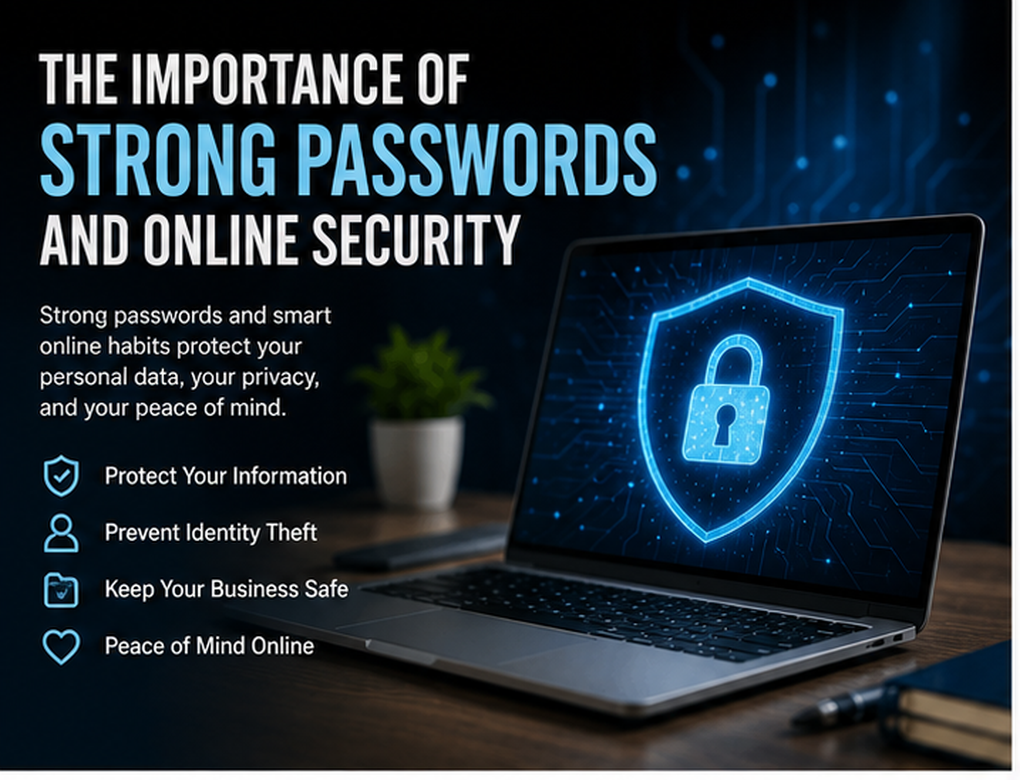
Strong cybersecurity practices help protect personal information. Using secure passwords, enabling multi-factor authentication, reviewing privacy settings, and being careful about sharing information online are important steps everyone can take to protect their digital identity.
The Impact of Cyber Threats on Businesses
Businesses are among the most common targets of cyberattacks because they store valuable information and manage important systems. A successful attack can interrupt operations, damage customer trust, and result in significant financial losses.
Cybersecurity is essential for organizations of all sizes. Large companies may have dedicated security teams, but small businesses are also at risk because attackers often target systems with weaker protection.
Companies can improve their security by investing in advanced protection tools, training employees, regularly updating software, and creating plans to respond to cyber incidents.
The Growing Threat of Advanced Cyberattacks
Cyber threats are constantly evolving. Attackers are developing more sophisticated methods to bypass security systems and exploit weaknesses. Modern threats include ransomware, artificial intelligence-powered attacks, supply chain attacks, and advanced phishing campaigns.
Ransomware, for example, can lock important files and systems until a payment is made. Artificial intelligence can make cyberattacks more automated and difficult to detect. These developments show why cybersecurity must continuously improve to keep up with new challenges.
Cybersecurity and National Security
Cybersecurity is not only a personal and business concern; it is also a matter of national security. Governments depend on digital systems for communication, public services, transportation, energy, and defense.
Cyberattacks on critical infrastructure can create serious consequences for entire communities. As a result, governments around the world are investing in cybersecurity strategies, stronger regulations, and cooperation with technology experts to protect essential systems.
The Importance of Cybersecurity Awareness
Technology alone cannot completely prevent cyber threats. Human awareness is one of the most important parts of cybersecurity. Many attacks succeed because people unknowingly make mistakes, such as opening suspicious links, using weak passwords, or sharing confidential information.
Cybersecurity education helps individuals recognize risks and make safer decisions online. Developing responsible digital habits can significantly reduce the chances of becoming a victim of cybercrime.
The Future of Cybersecurity
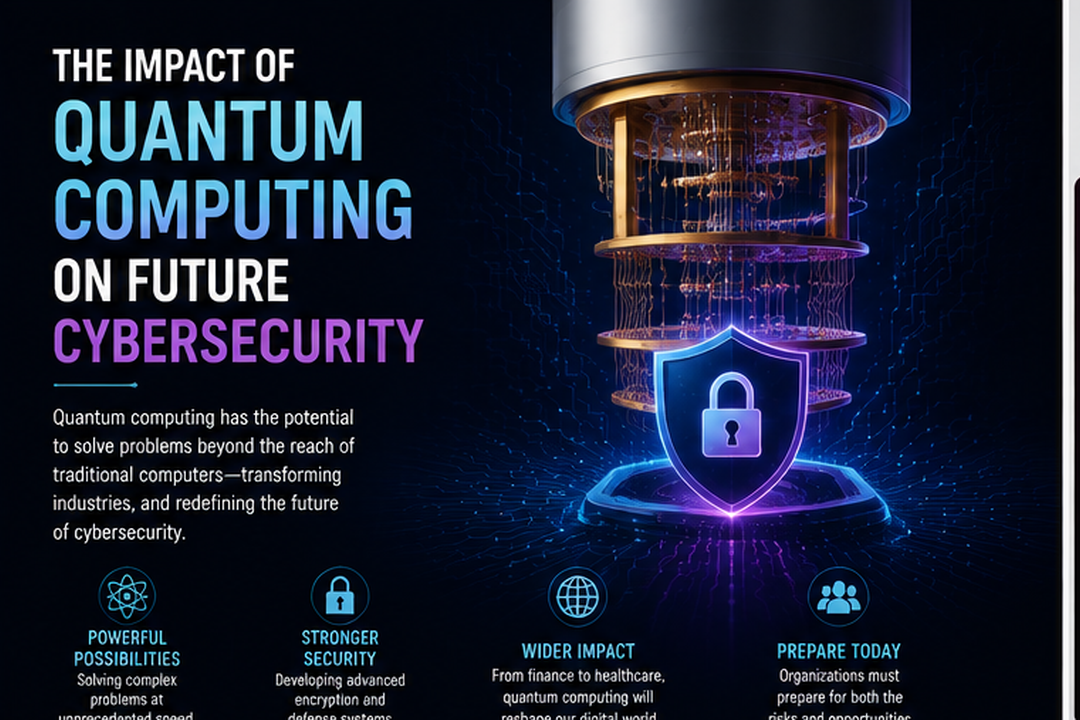
As technology continues to advance, cybersecurity will become even more important. Emerging technologies such as artificial intelligence, the Internet of Things, and cloud computing will bring new opportunities as well as new security challenges.
Future cybersecurity solutions will focus on faster threat detection, stronger privacy protection, and smarter defense systems. Collaboration between technology companies, governments, organizations, and users will be necessary to create a safer digital environment.
Conclusion
Cybersecurity matters more than ever because modern society depends on technology in almost every area of life. As digital systems become more connected, the risks associated with cyber threats continue to increase.
Protecting data, privacy, and digital infrastructure requires continuous effort from everyone. By practicing safe online behaviors, improving cybersecurity awareness, and investing in stronger security solutions, society can benefit from technological progress while reducing the dangers that come with it.
In a technology-driven world, cybersecurity is not just a technical requirement—it is a foundation for trust, safety, and progress in the digital future.