
In a world where technology continues to advance rapidly, cybersecurity has become one of the most important areas of concern. Every day, billions of people use digital platforms for communication, business, education, healthcare, and financial activities. While this digital transformation has improved efficiency and connectivity, it has also created opportunities for cybercriminals to exploit weaknesses in systems and networks.
Cybersecurity is the practice of protecting digital devices, networks, applications, and information from cyber threats. It involves preventing unauthorized access, detecting attacks, and recovering from security incidents. As cyber threats become more advanced, cybersecurity professionals must continuously develop new strategies and technologies to protect the digital world.
The Growing Challenges in Cybersecurity
The cybersecurity landscape is constantly changing. Attackers are becoming more skilled, using advanced techniques to target individuals, organizations, and governments. One of the biggest challenges is the increasing complexity of cyberattacks.
Modern cybercriminals use methods such as malware, ransomware, phishing, and identity theft to gain access to valuable information. These attacks can result in financial losses, privacy violations, and serious damage to organizations.
Another major challenge is the growing amount of data being created and stored online. Businesses collect large volumes of customer information, while individuals share personal details through various digital platforms. Protecting this information requires strong security systems and responsible data management.
The Human Factor in Cybersecurity
Although technology plays a major role in cybersecurity, human behavior remains one of the biggest challenges. Many cyberattacks succeed because of mistakes such as weak passwords, clicking harmful links, or sharing sensitive information with the wrong people.
Cybercriminals often use social engineering techniques to manipulate individuals into making unsafe decisions. This shows that cybersecurity is not only a technical issue but also a matter of awareness and education.
Training employees, teaching safe online habits, and improving cybersecurity awareness are essential steps in reducing human-related risks.
Solutions for a Safer Digital Environment
To address growing cyber threats, organizations and individuals must adopt effective security strategies. A strong cybersecurity approach includes multiple layers of protection rather than relying on a single solution.
Some important cybersecurity solutions include:
- Advanced security software: Tools such as antivirus programs, firewalls, and threat detection systems help identify and prevent attacks.
- Data encryption: Encryption protects sensitive information by converting it into a format that unauthorized users cannot easily access.
- Regular software updates: Updating systems helps fix security weaknesses and prevents attackers from exploiting outdated technology.
- Multi-factor authentication: Additional verification methods provide stronger protection for online accounts.
- Security awareness training: Educating users helps prevent mistakes that can lead to cyber incidents.
Organizations must also create response plans so they can quickly recover when attacks occur. Preparing in advance can reduce damage and restore normal operations faster.
The Role of Artificial Intelligence in Cybersecurity
Artificial intelligence (AI) is becoming an important tool in modern cybersecurity. AI systems can analyze large amounts of data, identify unusual activities, and detect potential threats faster than traditional methods.
Machine learning technologies can help security teams recognize attack patterns and respond to threats more efficiently. However, cybercriminals can also use AI to create more advanced attacks, making cybersecurity a continuous battle between attackers and defenders.
The future of cybersecurity will likely involve increased use of AI-driven security systems combined with human expertise and decision-making.
Future Trends in Cybersecurity
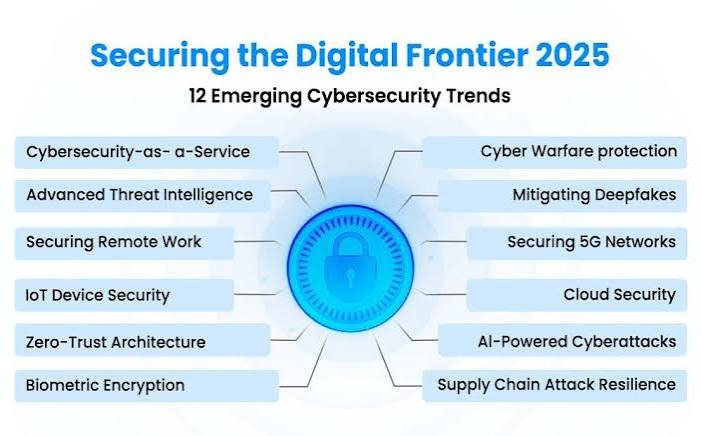
As technology continues to evolve, new cybersecurity trends are expected to shape the future. Some important developments include:
Increased Use of Cloud Security
More organizations are moving their services and data to cloud platforms. While cloud technology offers flexibility and convenience, it also requires strong security measures to protect information from unauthorized access.
Growth of Internet of Things (IoT) Security
Smart devices are becoming more common in homes, workplaces, and industries. Protecting these connected devices will become increasingly important as they create more opportunities for cyberattacks.
Stronger Privacy Protection
As concerns about personal data increase, governments and organizations are focusing more on privacy protection. Future cybersecurity efforts will involve stronger regulations and better methods for managing user information.
Zero Trust Security Approach
The traditional idea of trusting users inside a network is changing. Zero Trust security requires continuous verification of users and devices before granting access, helping reduce the risk of unauthorized entry.
The Importance of Global Cooperation
Cybersecurity is a worldwide challenge that requires cooperation between governments, businesses, security experts, and individuals. Cyberattacks often cross national borders, making collaboration essential for developing effective solutions.
Sharing information about threats, improving security standards, and investing in cybersecurity education can help create a safer digital environment for everyone.
Conclusion
The world of cybersecurity is constantly evolving as technology and cyber threats continue to grow. While challenges such as advanced attacks, data breaches, and human errors remain significant concerns, new solutions and innovations provide opportunities for stronger protection.
The future of cybersecurity will depend on a combination of advanced technologies, responsible digital behavior, and global cooperation. By understanding the challenges and adopting effective security practices, society can build a more secure digital future where technology can continue to grow safely.