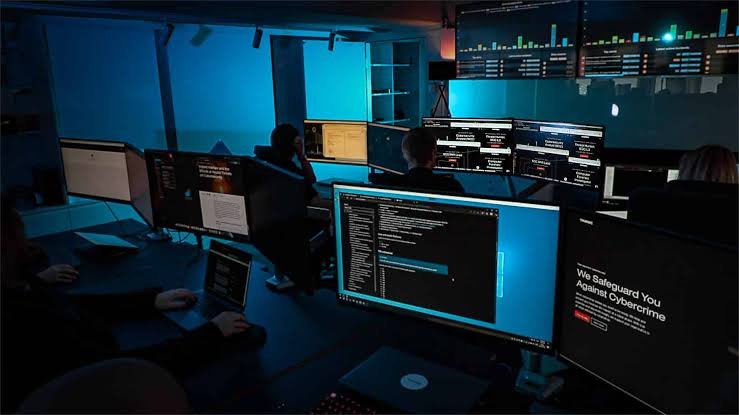
In the modern era, technology has transformed the way people live, work, and communicate. From online banking and digital education to social media and cloud-based services, the internet has become a major part of daily life. As the world becomes increasingly connected, the need for strong cybersecurity has grown significantly. Protecting digital systems, personal information, and online activities is now essential for individuals, businesses, and governments.
Cybersecurity is the practice of protecting computers, networks, devices, and data from cyber threats such as hacking, malware, phishing, and unauthorized access. With more information being stored and shared online, cybercriminals have more opportunities to exploit weaknesses in digital systems. This makes cybersecurity a critical requirement in today’s connected world.
The Rise of Digital Connectivity
The rapid growth of technology has created a highly connected society. Smartphones, smart home devices, online platforms, and cloud services allow people to access information and services instantly. Businesses rely on digital systems to manage operations, store customer information, and communicate globally.
While this connectivity offers many benefits, it also increases security risks. Every connected device can become a possible entry point for cybercriminals. A weak password, outdated software, or careless online activity can create opportunities for attackers to steal information or disrupt services.
Protecting Valuable Information
Information has become one of the most valuable assets in the digital age. Personal details, financial records, business documents, and confidential data are constantly being exchanged online. Cybercriminals often target this information for financial gain or malicious purposes.
Data breaches can have serious consequences. For individuals, stolen information may lead to identity theft and financial loss. For businesses, cyberattacks can result in damaged reputations, legal issues, and loss of customer trust. Strong cybersecurity measures help prevent these risks by securing sensitive information and controlling access to digital resources.
The Impact of Cyber Threats
Cyber threats are becoming more advanced and frequent. Hackers use different techniques to attack individuals and organizations, including phishing emails, ransomware, viruses, and social engineering.
Ransomware attacks, for example, can block access to important files and demand payment for their release. Phishing scams can trick users into revealing passwords or financial information. These threats show that cybersecurity is not only a technical issue but also a matter of awareness and responsible digital behavior.
Cybersecurity in Businesses and Organizations
For businesses, cybersecurity is necessary to protect operations, customers, and financial stability. Companies store large amounts of sensitive data, making them attractive targets for cybercriminals. A successful cyberattack can interrupt services, expose customer information, and cause significant financial damage.
Organizations must invest in security tools, employee training, and regular system updates. Creating a strong cybersecurity culture helps employees recognize threats and take appropriate actions to prevent attacks.
The Importance of Personal Cybersecurity
Individuals also play an important role in maintaining cybersecurity. Simple actions can greatly reduce online risks. Using strong and unique passwords, enabling two-factor authentication, avoiding suspicious links, and keeping software updated are effective ways to stay protected.
People should also be careful about the information they share online. Social media posts, online accounts, and digital activities can reveal personal details that attackers may use for scams or identity theft.
The Future of Cybersecurity
As technology continues to develop, cybersecurity will become even more important. Emerging technologies such as artificial intelligence, the Internet of Things, and advanced cloud systems will create new opportunities as well as new challenges.
Future cybersecurity strategies will focus on faster threat detection, stronger protection methods, and improved awareness among users. Governments, technology companies, and individuals must work together to create a safer digital environment.

Conclusion
The growing importance of cybersecurity reflects the increasing dependence of society on digital technology. As people and organizations become more connected, protecting information and systems becomes a shared responsibility. Cybersecurity is no longer just a technical concern; it is a necessary part of modern life.
By adopting safe online practices, improving security awareness, and investing in better protection methods, society can enjoy the benefits of technology while reducing the risks that come with a connected world.