The rapid growth of digital technology has changed the way people communicate, work, and manage their daily lives. The internet provides countless opportunities, but it has also created new challenges in the form of cyber threats. As technology advances, cybercriminals continue to develop more sophisticated methods to attack individuals, businesses, and governments. Understanding how these threats are evolving and learning how to stay safe online has become essential in today’s digital world.
Cyber threats are no longer limited to simple viruses or basic hacking attempts. Modern cyberattacks are more organized, complex, and difficult to detect. Attackers use advanced tools and techniques to steal information, disrupt services, and exploit weaknesses in digital systems.
The Changing Nature of Cyber Threats
Cybercriminals constantly adapt their strategies to take advantage of new technologies and user behaviors. One major change is the increasing use of artificial intelligence and automation in cyberattacks. Attackers can now create more convincing phishing messages, identify system weaknesses faster, and launch attacks on a larger scale.
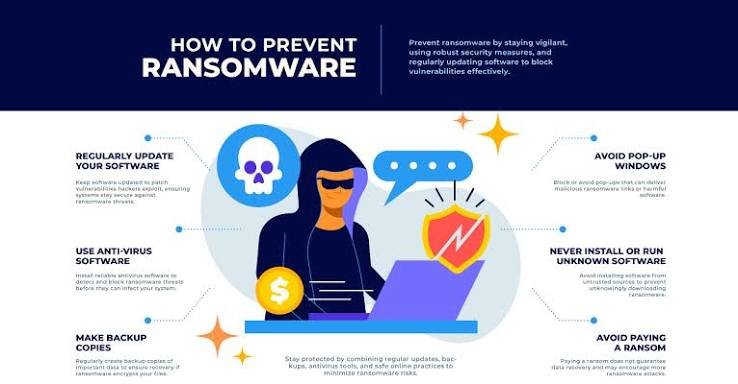
Ransomware has also become a significant threat. In these attacks, criminals block access to important files or systems and demand payment to restore them. Businesses, hospitals, and government organizations are often targeted because disruptions can have serious consequences.
Another growing threat is identity theft. With more personal information available online, criminals attempt to steal usernames, passwords, financial details, and other private data. This information can be used for fraud or to impersonate victims.
The Rise of Social Engineering Attacks
While many cyberattacks focus on technology, some of the most successful attacks target human behavior. Social engineering involves manipulating people into revealing confidential information or performing unsafe actions.
Phishing is one of the most common examples. Attackers send fake emails, messages, or websites that appear legitimate to trick users into sharing passwords or clicking harmful links. Modern phishing attacks are becoming harder to recognize because they often use realistic designs and personalized messages.
To defend against social engineering, people must develop strong digital awareness. Being cautious with unexpected messages and verifying information before taking action can prevent many attacks.
The Growing Risk of Connected Devices
The increasing use of smart devices has introduced new cybersecurity challenges. Internet-connected devices such as smart cameras, home assistants, and wearable technology collect and exchange data continuously. If these devices are not properly secured, attackers may use them as entry points into personal networks.
The Internet of Things (IoT) creates convenience but also expands the number of possible targets for cybercriminals. Manufacturers and users must focus on security by using strong passwords, updating devices regularly, and disabling unnecessary features.
How Individuals Can Stay Safe Online
Although cyber threats are constantly changing, individuals can take practical steps to improve their security:
- Use strong passwords: Create unique passwords for different accounts and avoid using easily guessed information.
- Enable two-factor authentication: Add an extra layer of protection beyond just a password.
- Keep software updated: Updates often fix security weaknesses that attackers may exploit.
- Avoid suspicious links: Do not open unknown attachments or click on unfamiliar messages.
- Protect personal information: Be careful about sharing sensitive details online.
- Use secure networks: Avoid unsafe public Wi-Fi when accessing important accounts.
Small security habits can greatly reduce the risk of becoming a victim of cybercrime.
The Role of Organizations in Cyber Protection
Businesses and institutions must take cybersecurity seriously because they often manage large amounts of valuable information. Organizations should invest in security technologies, employee training, and regular system monitoring.
Creating backup systems, using encryption, and preparing plans for responding to cyber incidents can help reduce damage when attacks occur. Employees should also be educated about common threats because human mistakes are often targeted by cybercriminals.
Preparing for the Future of Cybersecurity
As technology continues to evolve, cyber threats will likely become more advanced. Artificial intelligence, cloud computing, and connected technologies will bring new security challenges that require innovative solutions.
The future of cybersecurity will depend on a combination of advanced security tools and informed users. Governments, technology companies, organizations, and individuals must work together to build stronger defenses and promote responsible digital behavior.
Conclusion
Cyber threats are constantly evolving as technology becomes more integrated into everyday life. From ransomware and phishing to identity theft and attacks on connected devices, cybercriminals continue to find new ways to exploit weaknesses.
Staying safe in the digital age requires awareness, preparation, and responsible online habits. By using secure practices, keeping systems updated, and understanding emerging threats, individuals and organizations can protect themselves and create a safer digital environment for everyone.