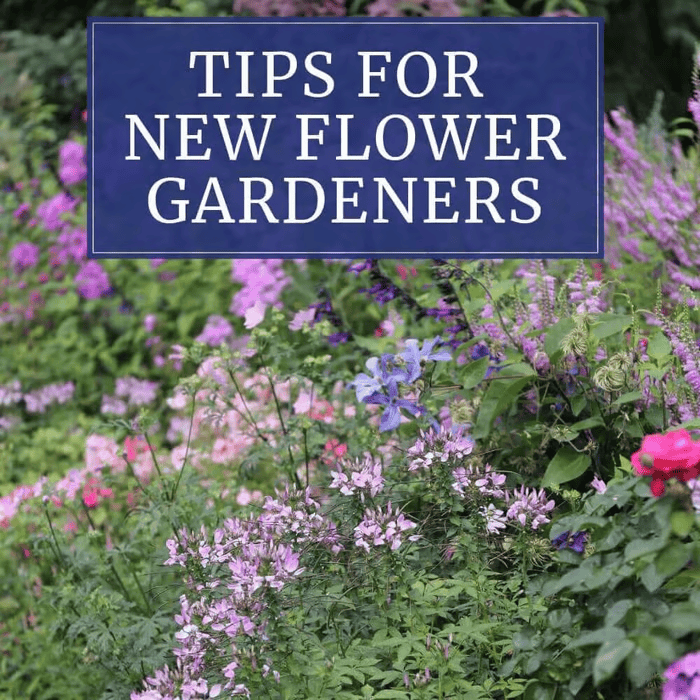
A flower garden filled with vibrant, colorful blooms is the dream of every gardener. Whether you’re growing flowers in garden beds, raised planters, or containers, keeping them healthy throughout the growing season requires more than simply planting them. Proper care, consistent maintenance, and a few smart gardening practices can make the difference between a garden that struggles and one that bursts with color from spring through fall.
The good news is that healthy flowers don’t require complicated techniques or expensive equipment. By following a few proven gardening tips, even beginners can enjoy a beautiful flower garden that blooms continuously and attracts butterflies, bees, and hummingbirds.
This comprehensive guide covers everything you need to know to keep your flowers healthy and blooming all season long.
Why Healthy Flowers Matter
Healthy flowers don’t just look beautiful—they also contribute to a healthier garden ecosystem.
A well-maintained flower garden offers many benefits:
- Produces larger and brighter blooms
- Attracts beneficial pollinators
- Improves your home’s curb appeal
- Reduces plant diseases
- Encourages longer blooming periods
- Supports local wildlife
Healthy plants are naturally more resistant to pests, drought, and environmental stress.
1. Choose the Right Flowers for Your Climate
One of the biggest reasons flowers fail is planting varieties that aren’t suited to the local climate.
Before purchasing flowers, consider:
- Your hardiness zone
- Summer temperatures
- Rainfall levels
- Frost dates
- Sunlight availability
Selecting flowers adapted to your region increases their chances of thriving with minimal effort.
Some beginner-friendly choices include:
- Marigolds
- Zinnias
- Petunias
- Cosmos
- Sunflowers
- Coneflowers
- Black-Eyed Susans
2. Give Your Flowers Enough Sunlight
Sunlight is one of the most important ingredients for healthy blooms.
Most flowering plants require:
- 6–8 hours of direct sunlight daily
Some shade-loving flowers prefer partial sunlight, but the majority bloom best in full sun.
Observe your garden throughout the day before deciding where to plant.
3. Prepare Healthy Soil
Healthy soil provides flowers with water, nutrients, and oxygen.
Good garden soil should be:
- Loose
- Rich in organic matter
- Well-draining
- Slightly acidic to neutral (pH 6.0–7.0)
Improve poor soil by adding:
- Compost
- Aged manure
- Leaf mold
- Organic matter
Healthy roots produce healthier flowers.
4. Water Correctly
Improper watering is one of the most common gardening mistakes.
Best Watering Practices
- Water early in the morning.
- Water deeply rather than lightly.
- Allow the top layer of soil to dry slightly.
- Avoid watering leaves whenever possible.
Most flower gardens need about one inch of water per week, although weather conditions may require adjustments.
5. Feed Your Flowers Regularly
Flowers require nutrients to produce continuous blooms.
Good fertilizer choices include:
- Compost
- Organic flower fertilizer
- Fish emulsion
- Bone meal
- Balanced NPK fertilizer
Feed every four to six weeks during the active growing season.
Too much nitrogen produces leaves instead of flowers.
6. Mulch Around Plants
Mulching offers several benefits that improve flower health.
A two- to three-inch layer of mulch helps:
- Retain soil moisture
- Reduce weeds
- Keep roots cool
- Improve soil as it decomposes
Popular mulch options include:
- Bark chips
- Straw
- Pine needles
- Shredded leaves
Leave a small gap around plant stems to prevent rot.
7. Remove Spent Flowers
Deadheading is one of the easiest ways to encourage continuous blooming.
When faded flowers remain on the plant, energy goes toward seed production instead of creating new flowers.
Regularly remove:
- Dead blooms
- Yellow leaves
- Broken stems
Many flowering plants respond by producing even more blossoms.
8. Prevent Weeds
Weeds compete with flowers for:
- Water
- Nutrients
- Sunlight
- Space
Remove weeds regularly before they become established.
Applying mulch greatly reduces weed growth.
9. Give Plants Enough Space
Overcrowded gardens often suffer from:
- Poor airflow
- Fungal diseases
- Pest infestations
- Weak flowering
Always follow the spacing recommendations provided on seed packets or plant labels.
Proper spacing encourages healthier growth and larger blooms.
10. Protect Flowers from Pests Naturally
Healthy gardens attract both beneficial and harmful insects.
Common pests include:
- Aphids
- Slugs
- Caterpillars
- Spider mites
Natural pest control methods include:
- Neem oil
- Insecticidal soap
- Hand removal
- Encouraging ladybugs
- Planting companion flowers
Avoid excessive chemical pesticides whenever possible.
11. Watch for Plant Diseases
Early detection prevents major problems.
Common flower diseases include:
- Powdery mildew
- Leaf spot
- Root rot
- Rust
Reduce disease risk by:
- Watering at soil level
- Providing good air circulation
- Removing infected leaves
- Avoiding overcrowding
Healthy growing conditions naturally reduce disease pressure.
12. Support Pollinators
Pollinators improve both flower and vegetable gardens.
Flowers loved by bees and butterflies include:
- Lavender
- Coneflowers
- Cosmos
- Bee Balm
- Sunflowers
- Salvia
Avoid spraying pesticides while flowers are blooming.
13. Grow Flowers in Containers
Container gardening is ideal for:
- Small yards
- Apartments
- Patios
- Balconies
Choose containers with drainage holes and quality potting mix.
Excellent container flowers include:
- Petunias
- Geraniums
- Begonias
- Pansies
- Sweet Alyssum
14. Garden Through Every Season
Spring
- Prepare beds
- Add compost
- Plant annuals
- Fertilize
Summer
- Water deeply
- Deadhead flowers
- Monitor pests
- Refresh mulch
Autumn
- Divide perennials
- Plant spring bulbs
- Remove diseased plants
- Add organic matter
Winter
- Protect delicate plants
- Clean tools
- Plan next year’s garden
Seasonal care keeps gardens productive year after year.
Common Flower Gardening Mistakes
Many gardeners unknowingly reduce flower production.
Avoid these mistakes:
- Overwatering
- Underwatering
- Too much fertilizer
- Planting in shade
- Poor soil preparation
- Ignoring weeds
- Forgetting to deadhead flowers
Small improvements in routine care often produce dramatic results.
Essential Flower Gardening Tools
Every gardener should own a few reliable tools.
Recommended equipment:
- Garden gloves
- Hand trowel
- Pruning shears
- Watering can
- Garden hose
- Garden rake
- Garden fork
- Wheelbarrow
Quality tools make gardening easier and more enjoyable.
Benefits of Regular Garden Maintenance
Consistent maintenance offers long-term rewards.
Regular care leads to:
- Longer blooming periods
- Healthier plants
- Fewer weeds
- Reduced pest problems
- Better soil quality
- More colorful flowers
Spending just 15–20 minutes each week in your garden can keep it looking its best throughout the season.
Final Thoughts
Growing healthy flowers all season isn’t about luck—it’s about following good gardening practices. By planting flowers suited to your climate, preparing nutrient-rich soil, watering wisely, feeding regularly, and keeping up with simple maintenance tasks like deadheading and weeding, you can enjoy vibrant blooms from spring until the first frost.
Whether you’re tending a large backyard garden or a few containers on your patio, these flower gardening tips will help you create a thriving outdoor space filled with color, fragrance, and life.
Frequently Asked Questions (FAQs)
How can I keep flowers blooming all season?
Water consistently, fertilize every four to six weeks, remove faded flowers, mulch around plants, and provide enough sunlight.
What is the best fertilizer for flowering plants?
A balanced flower fertilizer or organic compost works well for most flowering plants.
How often should I water flowers?
Most flowers need about one inch of water each week, but adjust based on rainfall, temperature, and soil type.
Why are my flowers producing leaves but not blooms?
Excess nitrogen fertilizer, insufficient sunlight, or improper watering are common causes of poor flowering.
Which flowers bloom for the longest time?
Petunias, marigolds, zinnias, cosmos, and coneflowers are known for their long blooming seasons with proper care.