The digital world is constantly evolving, and with every technological advancement, cybersecurity becomes more important. As businesses, governments, and individuals become increasingly dependent on digital systems, the need to protect information and networks continues to grow. At the same time, cybercriminals are developing more advanced techniques to exploit new technologies.
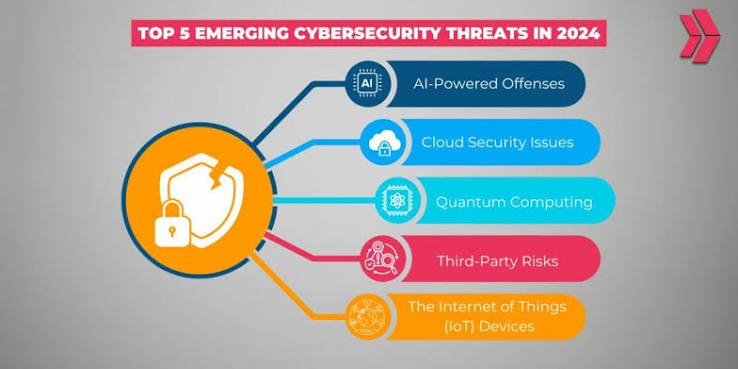
The future of cybersecurity will be shaped by emerging technologies, changing digital behaviors, and the ability to respond to new forms of cyber threats. While innovations such as artificial intelligence, cloud computing, and quantum technology offer powerful security solutions, they also introduce new challenges that require careful planning and protection.
The Changing Cybersecurity Landscape
Cybersecurity has moved beyond traditional antivirus software and basic network protection. Modern cyber threats are more complex, automated, and targeted. Attackers use advanced tools to steal data, disrupt operations, and exploit weaknesses in digital systems.
As organizations adopt new technologies, the number of potential attack points increases. Smart devices, cloud platforms, and interconnected networks create new opportunities for innovation but also expand the areas that need protection.
The future of cybersecurity will require continuous adaptation, stronger defense strategies, and cooperation between technology experts, organizations, and users.
Artificial Intelligence in Cybersecurity
Artificial intelligence (AI) is expected to play a major role in the future of cybersecurity. AI-powered systems can analyze large amounts of data, identify unusual patterns, and detect possible threats faster than traditional methods.
Security teams can use AI to monitor networks, detect suspicious activities, and respond to attacks more efficiently. Machine learning algorithms can improve over time by learning from previous security incidents and identifying new attack methods.
However, AI can also create new risks. Cybercriminals may use artificial intelligence to develop more convincing phishing messages, automate attacks, and discover system vulnerabilities. This creates an ongoing challenge where security professionals must use advanced technology to defend against technology-driven threats.
The Growth of Cloud Security
Cloud computing has transformed the way organizations store and manage data. Businesses use cloud services for flexibility, collaboration, and cost efficiency. However, storing information online also creates new security concerns.
Future cybersecurity efforts will focus heavily on protecting cloud environments. Organizations will need stronger access controls, encryption methods, and monitoring systems to prevent unauthorized access.
As more companies move their operations to the cloud, cloud security will become one of the most important areas of cybersecurity.
The Expansion of Internet of Things Security
The Internet of Things (IoT) connects everyday devices such as smart home systems, wearable technology, vehicles, and industrial equipment. While these devices improve convenience and efficiency, they also create additional security risks.
Many IoT devices collect and exchange large amounts of data, making them attractive targets for attackers. Weak security settings or outdated software can allow criminals to access connected networks.
The future of IoT security will require better device protection, stronger authentication methods, and improved security standards from manufacturers.
The Rise of Quantum Computing and Security Challenges
Quantum computing is an emerging technology that has the potential to solve complex problems much faster than traditional computers. While it offers many benefits, it may also challenge current encryption methods.
Many cybersecurity systems rely on encryption to protect sensitive information. Advanced quantum computers could potentially break some existing encryption techniques, creating the need for new forms of protection.
Researchers are developing quantum-resistant encryption methods to prepare for future security challenges. Preparing early will be essential to maintaining secure digital systems.
The Increasing Threat of Advanced Cyberattacks
As technology improves, cyber threats are also becoming more sophisticated. Future attacks may involve advanced malware, automated hacking tools, deepfake technology, and highly targeted social engineering campaigns.
Deepfake technology, for example, can create realistic fake videos, images, or audio recordings that may be used for misinformation or fraud. Cybercriminals may use these tools to manipulate individuals or organizations.
Ransomware is also expected to remain a major threat. Attackers continue to improve their methods, targeting critical industries such as healthcare, finance, and government services.
The Importance of Zero Trust Security
Traditional security models often assume that users and devices inside a network can be trusted. However, modern cybersecurity strategies are moving toward a Zero Trust approach.
Zero Trust security requires continuous verification of every user, device, and connection before allowing access to resources. Instead of automatically trusting access requests, systems constantly evaluate security risks.
This approach helps reduce the chances of unauthorized access and provides stronger protection in complex digital environments.
The Role of Cybersecurity Education
Technology alone cannot completely prevent cyber threats. Human awareness will remain one of the most important parts of cybersecurity.
Individuals and employees must understand how to recognize phishing attempts, protect personal information, and follow safe online practices. Cybersecurity education will become increasingly important as digital systems become more integrated into everyday life.
Organizations that invest in security training can reduce human errors and create stronger defenses against cyberattacks.
Preparing for the Future
The future of cybersecurity will require innovation, awareness, and collaboration. Governments, businesses, technology developers, and individuals must work together to address emerging threats.
Organizations will need to invest in advanced security technologies, develop strong response plans, and regularly improve their security practices. Individuals must also take responsibility for protecting their digital identities and information.
Cybersecurity will continue to evolve alongside technology. The ability to adapt quickly and prepare for future challenges will determine how safely society can benefit from digital progress.
Conclusion
The future of cybersecurity will be shaped by both opportunities and challenges. Emerging technologies such as artificial intelligence, cloud computing, IoT, and quantum computing will transform the way security is managed, but they will also introduce new risks.
As cyber threats become more advanced, cybersecurity must become smarter, faster, and more proactive. By combining innovative technologies with strong security practices and user awareness, society can build a safer digital future.
Cybersecurity is not just about defending against today’s threats—it is about preparing for the challenges of tomorrow.