In today’s technology-driven world, digital security has become a necessity rather than an option. People rely on computers, smartphones, online accounts, and internet-based services for almost every part of their lives. From financial transactions and professional work to personal communication and entertainment, digital systems store and process enormous amounts of valuable information.
However, increased digital dependence also brings increased security risks. Cybercriminals constantly search for weaknesses that they can exploit to steal information, disrupt services, or gain unauthorized access to accounts. Building a strong digital defense requires awareness, preparation, and the use of effective cybersecurity practices.
Cybersecurity is not only the responsibility of technology experts or large organizations. Every individual plays an important role in protecting personal data and maintaining a safer digital environment.
Understanding the Importance of Digital Defense
A digital defense is a combination of security practices, tools, and habits designed to protect digital assets from cyber threats. These assets include personal information, financial details, business data, and online identities.
Without proper protection, individuals and organizations may face risks such as identity theft, data breaches, ransomware attacks, and financial losses. A strong digital defense helps prevent these threats by reducing vulnerabilities and improving security awareness.
The goal of cybersecurity is not only to stop attacks but also to detect threats quickly and recover effectively when incidents occur.
Creating Strong Password Protection
Passwords remain one of the most basic but important cybersecurity measures. Weak passwords are among the easiest ways for attackers to gain access to accounts.
A strong password should be unique, lengthy, and difficult to guess. Users should avoid common passwords, personal information, or using the same password across multiple accounts.
Using a password manager can help create and store complex passwords securely. It reduces the need to remember multiple passwords while encouraging better security practices.
Using Multi-Factor Authentication
Multi-factor authentication (MFA) adds an additional layer of protection by requiring users to verify their identity through multiple methods. Instead of relying only on a password, MFA may require a security code, fingerprint, or authentication app.
This extra step makes it much harder for attackers to access accounts, even if passwords are stolen. Enabling MFA on important accounts such as email, banking, and workplace systems significantly improves security.
Keeping Software and Devices Updated
Outdated software can create security weaknesses that attackers may exploit. Developers regularly release updates to fix vulnerabilities, improve performance, and strengthen protection.
Keeping operating systems, applications, browsers, and security tools updated is an essential cybersecurity habit. Automatic updates can help ensure devices receive important security improvements without delays.
Protecting Against Phishing and Online Scams
Phishing remains one of the most common cybersecurity threats. Attackers use fake emails, messages, and websites to trick users into revealing sensitive information or downloading harmful files.
To defend against phishing attempts, users should carefully examine unexpected messages, avoid clicking suspicious links, and verify requests for personal information. Being cautious before taking action can prevent many successful attacks.
Cybersecurity awareness is especially important because many phishing attacks rely on human mistakes rather than technical weaknesses.
Securing Personal Information
Personal information is valuable to cybercriminals. Details such as names, addresses, financial information, and login credentials can be used for identity theft or fraud.
People should limit the amount of personal information they share online and regularly review privacy settings on digital platforms. Being aware of how websites and applications collect data can help users make safer decisions.
Protecting personal information also means being careful about what is posted publicly on social media and avoiding unnecessary sharing of private details.
Using Secure Networks and Safe Browsing Habits
Internet safety depends greatly on how users connect and browse online. Public Wi-Fi networks may not always provide strong security, especially when accessing sensitive accounts.
Users should avoid entering confidential information on unsecured networks and should use trusted connections whenever possible. Safe browsing habits, such as visiting reliable websites and avoiding suspicious downloads, can reduce exposure to cyber threats.
Backing Up Important Data
Data backups are an important part of digital defense. Cyberattacks, hardware failures, or accidental deletion can cause valuable information to be lost.
Regular backups ensure that important files can be restored if something goes wrong. Businesses and individuals should maintain secure copies of important documents, photos, and other essential data.
Backups are especially useful in protecting against ransomware attacks, where criminals attempt to block access to files.
Strengthening Organizational Cybersecurity
Organizations face complex cybersecurity challenges because they manage large amounts of sensitive information. A strong security strategy requires more than installing security software.
Businesses should use encryption, access controls, employee training, security monitoring, and incident response plans. Employees should understand cybersecurity policies and know how to identify potential threats.
Creating a cybersecurity-focused workplace culture helps reduce risks and improves overall protection.
The Importance of Continuous Learning
Cybersecurity threats are constantly changing, and security practices must evolve with them. Learning about new threats and updating security habits are important parts of maintaining digital safety.
Individuals and organizations should regularly review their cybersecurity strategies and adapt to new technologies and risks.
Cybersecurity is an ongoing process rather than a one-time action. Staying informed helps users make better decisions and respond effectively to emerging threats.
Conclusion
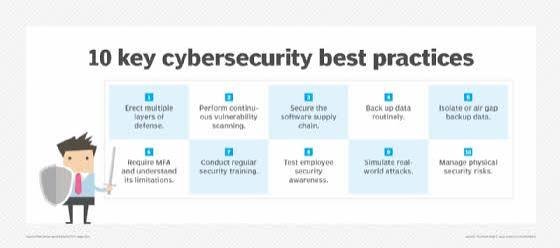
Building a strong digital defense requires a combination of technology, awareness, and responsible behavior. Simple actions such as creating strong passwords, enabling multi-factor authentication, updating software, protecting personal information, and recognizing online threats can greatly improve cybersecurity.
As society becomes more connected, protecting digital information will continue to be a major priority. By adopting essential cybersecurity practices, individuals and organizations can reduce risks, protect valuable data, and create a safer digital future.
A strong digital defense begins with everyday choices. Every secure action contributes to a more protected and trustworthy online world.