In the modern digital era, technology has transformed the way people communicate, work, and manage information. Businesses store valuable data online, individuals use digital platforms for daily activities, and organizations depend on computer systems to operate efficiently. While this digital transformation has brought many advantages, it has also increased exposure to cyber threats.
From individual hackers attempting to steal passwords to large-scale data breaches affecting millions of users, cyber threats have become a serious global concern. As attackers continue to develop new methods, the need for stronger cyber protection has become more important than ever.
Cybersecurity is no longer just a technical issue. It is a necessary part of protecting privacy, maintaining trust, and ensuring the safe use of digital technology.
The Growing Threat of Hackers
Hackers are individuals or groups who attempt to gain unauthorized access to computer systems, networks, or data. While some hackers work ethically to identify and fix security weaknesses, malicious hackers use their skills for harmful purposes.
Cybercriminals may target individuals, businesses, or governments to steal sensitive information, commit fraud, or disrupt important services. They use various techniques, including malware, phishing, password attacks, and system vulnerabilities, to achieve their goals.
As technology becomes more advanced, hackers are also becoming more sophisticated. They use automated tools, artificial intelligence, and carefully planned strategies to bypass security systems and access valuable information.
Understanding Data Breaches
A data breach occurs when unauthorized individuals gain access to confidential information. This information may include personal details, financial records, passwords, medical data, or business documents.
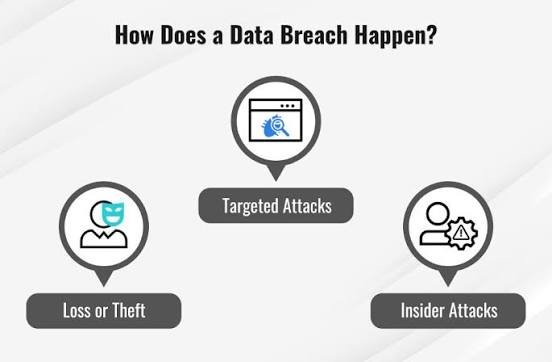
Data breaches can happen because of weak security systems, stolen login credentials, human mistakes, or successful cyberattacks. Even large organizations with advanced technology can become victims if their security measures are not strong enough.
The consequences of data breaches can be severe. Individuals may experience identity theft, financial loss, or privacy violations. Businesses may face legal problems, damaged reputations, and loss of customer confidence.
Common Causes of Cybersecurity Problems
Several factors contribute to cybersecurity incidents. Understanding these causes can help individuals and organizations improve their protection.
Weak Password Practices
Weak or reused passwords are one of the most common security problems. Attackers can use stolen passwords from previous breaches or automated tools to access accounts.
Using strong, unique passwords and enabling multi-factor authentication can greatly reduce the risk of unauthorized access.
Human Errors
Many cyber incidents occur because of mistakes made by users. Clicking suspicious links, downloading unsafe files, or sharing sensitive information can create opportunities for attackers.
Cybersecurity awareness training helps people recognize risks and make safer decisions online.
Outdated Software
Older software versions may contain security weaknesses that hackers can exploit. Regular updates are important because they often include fixes for known vulnerabilities.
Keeping devices and applications updated is a simple but effective way to improve security.
Poor Data Protection
Organizations that fail to properly secure customer information may become targets for cybercriminals. Strong encryption, access controls, and security monitoring are essential for protecting sensitive data.
The Importance of Better Cyber Protection
As cyber threats continue to increase, traditional security methods are no longer enough. Individuals and organizations need stronger, more proactive approaches to protect their digital assets.
Better cyber protection involves multiple layers of security, including:
- Data encryption: Protecting information by converting it into a secure format that unauthorized users cannot easily access.
- Multi-factor authentication: Adding extra verification steps to prevent unauthorized account access.
- Regular security updates: Fixing vulnerabilities before attackers can exploit them.
- Threat monitoring: Detecting suspicious activity and responding quickly to potential attacks.
- Cybersecurity education: Teaching users how to identify and avoid common threats.
A strong cybersecurity strategy focuses not only on preventing attacks but also on preparing for recovery if an incident occurs.
The Role of Businesses in Cyber Protection
Businesses have a major responsibility to protect customer and employee information. A single data breach can affect thousands or even millions of people.
Organizations should invest in cybersecurity tools, conduct regular security assessments, and create clear policies for protecting information. Employees should also receive training because human awareness is a critical part of digital security.
Companies that prioritize cybersecurity can build stronger customer trust and reduce the impact of potential attacks.
The Role of Individuals in Staying Protected
Personal cybersecurity habits are equally important. Individuals can reduce their risk by taking simple but effective steps:
- Create strong and unique passwords.
- Enable multi-factor authentication.
- Avoid suspicious emails and links.
- Keep devices updated.
- Use secure internet connections.
- Be careful when sharing personal information online.
- Regularly back up important files.
Small security improvements can make a significant difference in protecting personal data and online identities.
The Future of Cyber Protection
The future of cybersecurity will depend on innovation and continuous improvement. Technologies such as artificial intelligence, machine learning, and advanced encryption are helping security professionals detect and prevent threats more effectively.
However, cybercriminals will also continue to evolve their methods. Future protection strategies will require cooperation between governments, businesses, cybersecurity experts, and everyday users.
Building a safer digital world will require both advanced technology and responsible digital behavior.
Conclusion
From hackers attempting unauthorized access to large-scale data breaches affecting millions of users, cyber threats continue to challenge the security of the digital world. As dependence on technology grows, protecting information and systems becomes increasingly important.
Better cyber protection requires awareness, strong security practices, and continuous adaptation to new threats. By combining advanced security solutions with responsible online behavior, individuals and organizations can reduce risks and create a safer digital environment.
Cybersecurity is not only about protecting computers and networks—it is about protecting trust, privacy, and the future of the connected world.