
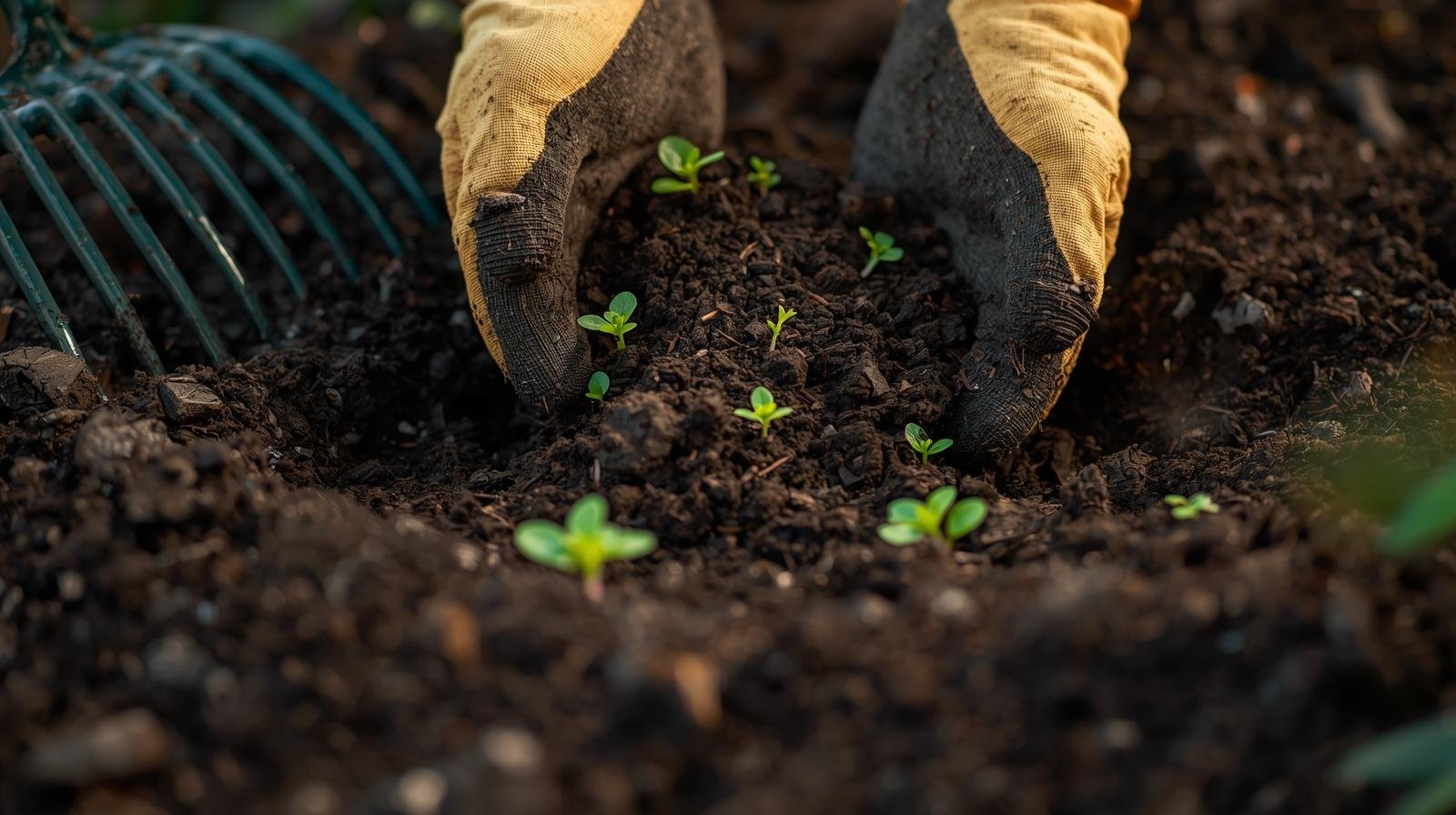
Organic Fertilizers and Soil Preparation
Introduction
Healthy soil is the foundation of a productive garden. Using organic fertilizers and proper soil preparation supports plant growth, enhances nutrient availability, and promotes long-term soil health. Organic fertilizers are derived from plant, animal, or mineral sources and provide essential nutrients naturally. Proper soil preparation ensures that roots receive adequate support, moisture, and oxygen.
This guide explains how to prepare soil for gardening, select organic fertilizers, and apply them effectively to create a sustainable growing environment.
Step 1: Evaluate Soil Conditions
Before applying fertilizers, assess soil characteristics:
- Soil type: Identify whether the soil is sandy, clay, or loam. Sandy soil drains quickly, clay soil retains water, and loam provides balanced structure.
- Soil pH: Measure acidity or alkalinity using a soil testing kit. Most plants grow best in slightly acidic to neutral pH (6.0–7.0).
- Nutrient content: Test for nitrogen, phosphorus, potassium, and trace minerals to determine deficiencies.
Understanding soil conditions allows precise selection of fertilizers and amendments.
Step 2: Clear and Loosen Soil
Prepare the garden site by clearing debris and improving soil structure:
- Remove rocks, weeds, and leftover plant material.
- Loosen soil using a hoe, spade, or tiller to enhance aeration and root penetration.
- Break up compacted soil to allow water and nutrients to move freely.
Well-prepared soil improves root development and plant stability.
Step 3: Incorporate Organic Matter
Organic matter enhances soil fertility and structure:
- Compost: Decomposed plant material provides essential nutrients and improves water retention.
- Manure: Well-aged animal manure supplies nitrogen and improves soil texture.
- Leaf mold: Decomposed leaves add organic content and support microbial activity.
- Green manure: Planting cover crops and turning them into the soil replenishes nutrients naturally.
Mix organic matter evenly with the soil to improve nutrient availability and promote beneficial microbial activity.
Step 4: Select Organic Fertilizers
Choose fertilizers based on plant needs and soil deficiencies:
- Nitrogen-rich fertilizers: Support leaf and stem growth. Examples include blood meal and alfalfa meal.
- Phosphorus-rich fertilizers: Promote root development and flowering. Examples include bone meal and rock phosphate.
- Potassium-rich fertilizers: Enhance overall plant vigor and disease resistance. Examples include kelp meal and wood ash.
Select fertilizers appropriate for vegetables, herbs, or flowering plants, and follow recommended application rates.
Step 5: Apply Fertilizers Properly
Correct application ensures plants receive nutrients efficiently:
- Timing: Apply fertilizers before planting or during active growth periods.
- Placement: Spread evenly across the soil surface or incorporate into the soil.
- Watering: Water soil after applying fertilizers to dissolve nutrients and deliver them to roots.
Avoid over-fertilization, which can harm plants and disrupt soil balance.
Step 6: Adjust Soil Structure
Soil preparation includes improving texture, drainage, and aeration:
- Amend sandy soil: Add compost or clay to increase nutrient and water retention.
- Amend clay soil: Add sand, organic matter, or compost to improve drainage and loosen compaction.
- Amend loam soil: Add compost to maintain balanced fertility.
Regular soil amendments ensure consistent growth conditions for all plants.
Step 7: Mulching
Mulching supports soil health and reduces maintenance:
- Apply organic mulch such as straw, shredded leaves, or grass clippings.
- Mulch prevents evaporation, reduces weed growth, and moderates soil temperature.
- Decomposing mulch contributes additional nutrients to the soil over time.
Mulching is an integral part of soil preparation and organic gardening.
Step 8: Rotate Crops and Cover Crops
Crop rotation and cover cropping improve soil fertility and structure:
- Plant different crops in each season to prevent nutrient depletion.
- Use cover crops like clover or legumes to add nitrogen to the soil naturally.
- Turn cover crops into the soil before planting the next crop.
These practices reduce soil-borne pests and maintain long-term soil health.
Step 9: Monitor Soil Health
Regular observation ensures soil remains productive:
- Check soil moisture to prevent overwatering or drying.
- Monitor nutrient levels through periodic testing.
- Observe plant growth for signs of deficiency or imbalance.
Monitoring allows timely adjustments to maintain optimal soil conditions.
Step 10: Plan for Sustainable Fertilization
Sustainable soil management involves:
- Using organic fertilizers consistently rather than relying on synthetic options.
- Replenishing soil nutrients each season with compost or green manure.
- Avoiding chemical buildup that can harm soil microorganisms.
Long-term planning ensures healthy soil for multiple growing cycles.
Step 11: Integrate Soil Care with Planting
Coordinate soil preparation with planting activities:
- Prepare soil well in advance of planting seeds or seedlings.
- Ensure fertilizers are incorporated and watered before planting.
- Adjust soil amendments based on plant type and growth stage.
Integration of soil preparation and planting promotes strong root establishment and consistent plant development.
Conclusion
Organic fertilizers and proper soil preparation form the foundation of a successful garden. Evaluating soil, clearing and loosening the ground, adding organic matter, selecting fertilizers, and monitoring soil conditions support healthy plant growth.
Sustainable practices such as crop rotation, mulching, and consistent soil care maintain fertility and structure over time. By following these steps, gardeners can create productive and organized garden spaces while minimizing reliance on chemical inputs.

Leave a Reply