
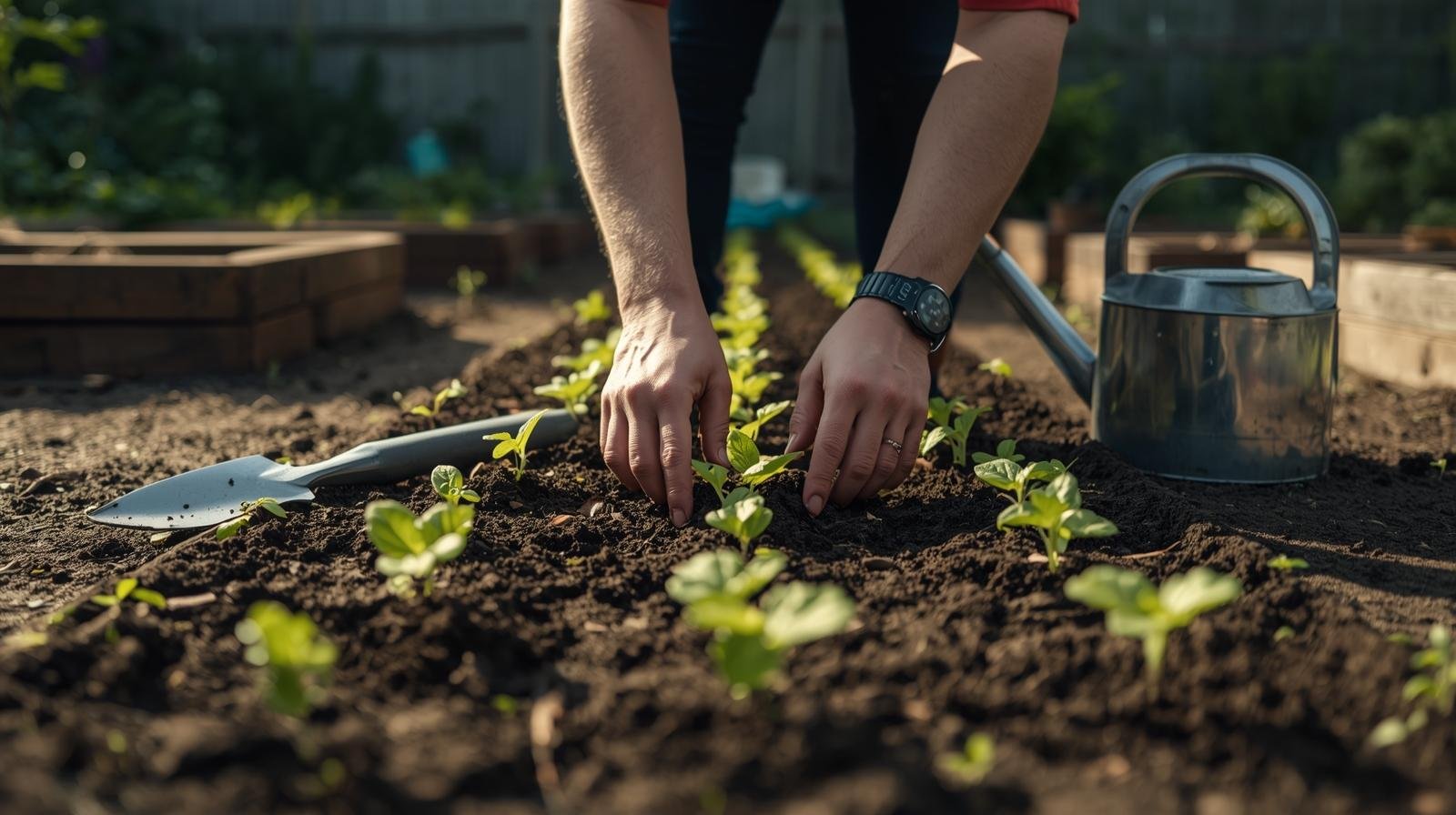
How to Start a Home Garden Step by StepIntroduction
A home garden provides access to fresh vegetables, herbs, and flowers while offering a productive use of outdoor space. Starting a garden requires planning, preparation, and understanding of the basic principles of plant growth. The process begins with selecting the site, preparing soil, choosing seeds or plants, and organizing care routines.
This guide explains the step-by-step process to start a home garden, from planning to maintenance, so that anyone can manage a productive and organized garden space.
Step 1: Planning Your Garden
Before starting, define the purpose of the garden. Determine whether it will focus on vegetables, herbs, flowers, or a mix. Planning includes:
Space assessment: Measure available area for planting. Identify spots with direct sunlight and good drainage.
Garden type: Decide between in-ground beds, raised beds, or container gardening.
Crop selection: Choose plants suited to the region and season. Consider short-term crops for quick results and long-term crops for extended harvests.
Layout design: Plan plant placement according to spacing requirements, height, and growth patterns.
A well-planned garden ensures efficient use of space, easy access for maintenance, and proper sunlight exposure for all plants.
Step 2: Preparing the Site
Site preparation is crucial for plant health. The steps include:
Clearing the area: Remove grass, weeds, and debris from the selected plot.
Soil loosening: Dig or till soil to improve aeration and root penetration.
Testing soil quality: Check soil pH and nutrient content using test kits. Soil with proper pH supports plant growth.
Drainage improvement: Ensure water does not accumulate in low areas. Raised beds or soil mounds can help in poorly drained spaces.
Proper site preparation reduces the risk of plant diseases, pest infestation, and poor growth.
Step 3: Choosing Plants or Seeds
Selecting the right plants is the next step. Consider factors such as:
Climate suitability: Choose plants that grow well in local climate conditions.
Growth period: Select plants according to desired harvest times.
Space requirements: Understand mature size and spacing needs.
Maintenance needs: Some plants require regular pruning, watering, or fertilization.
Seeds and seedlings are both options. Seeds allow control over plant development, while seedlings provide a head start in growth.
Step 4: Soil Preparation and Fertilization
Healthy soil is essential for a productive garden. Steps include:
Adding organic matter: Incorporate compost, leaf litter, or decomposed plant material to enrich soil.
Balancing nutrients: Provide essential nutrients through natural fertilizers or amendments.
Mixing soil layers: Combine topsoil and subsoil for uniform texture and drainage.
Soil preparation enhances water retention, root development, and nutrient availability for plants.
Step 5: Planting
Planting involves placing seeds or seedlings into prepared soil. Steps include:
Marking rows or spots: Use string or sticks to maintain spacing between plants.
Planting depth: Follow recommended depth for each type of seed or seedling.
Watering: Apply gentle water to settle soil around roots without washing away seeds.
Mulching: Cover soil surface with mulch to retain moisture and reduce weed growth.
Proper planting ensures strong root establishment and uniform growth of plants.
Step 6: Watering
Watering is critical to plant development. Key considerations:
Frequency: Water according to soil type, weather, and plant needs. Avoid overwatering.
Timing: Early morning or late evening is best to reduce evaporation.
Method: Use drip irrigation, watering cans, or hoses for targeted water delivery.
Consistent watering prevents stress on plants and supports steady growth.
Step 7: Pest and Disease Management
Gardens are susceptible to pests and diseases. Management involves:
Monitoring: Inspect plants regularly for signs of insects, fungi, or leaf damage.
Preventive measures: Rotate crops and remove debris to reduce pest habitats.
Control options: Use natural pest deterrents, traps, or biological control methods.
Early detection and management prevent severe infestations that can affect plant yield.
Step 8: Pruning and Maintenance
Ongoing maintenance keeps plants healthy. Steps include:
Pruning: Remove dead or excess foliage to promote air circulation and new growth.
Weeding: Remove weeds regularly to prevent nutrient competition.
Supporting plants: Use stakes, trellises, or cages for climbing or tall plants.
Maintenance practices ensure the garden remains organized and productive throughout the growing season.
Step 9: Harvesting
Harvesting is the final step in the growth cycle. Considerations include:
Timing: Harvest vegetables, herbs, and fruits when they reach desired size or ripeness.
Method: Use clean tools or hands to avoid damaging plants.
Post-harvest care: Store harvested produce appropriately to maintain quality.
Proper harvesting encourages plants to produce additional yields and supports continuous growth.
Step 10: Seasonal Adjustments
Gardens require adaptation throughout the year:
Seasonal crops: Plant according to seasonal cycles for vegetables, flowers, and herbs.
Soil care: Renew soil fertility with compost or natural fertilizers each season.
Pest management: Adjust preventive measures according to seasonal pest activity.
Continuous monitoring and adjustment improve long-term productivity of the garden.
Conclusion
Starting a home garden involves planning, site preparation, plant selection, soil enrichment, planting, watering, maintenance, and harvesting. Each step builds on the previous one to ensure healthy plant growth and sustainable yield.
By following a step-by-step approach, homeowners can cultivate vegetables, herbs, and flowers efficiently while making the most of available space. Ongoing care, observation, and adaptation to seasonal changes help maintain a productive and organized garden.

Leave a Reply