
Best Containers for Urban Vegetable Gardening
Introduction
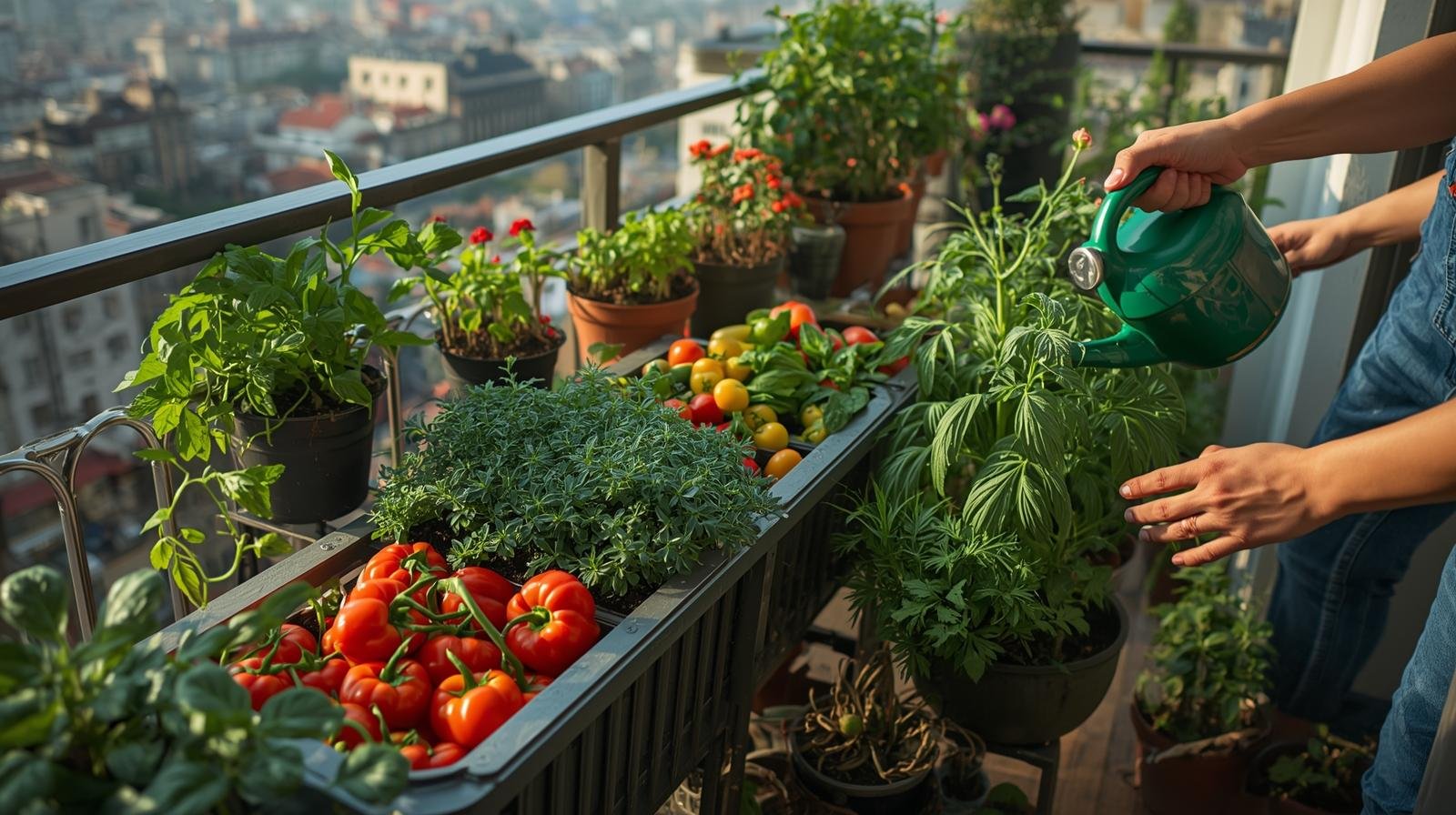
Urban gardening often requires growing vegetables in limited spaces such as balconies, terraces, or small patios. Using suitable containers allows homeowners to cultivate vegetables efficiently without relying on traditional garden plots. The right containers provide proper root space, drainage, and soil management, supporting healthy growth and higher yields.
This guide explains step-by-step how to select, prepare, and use containers for urban vegetable gardening.
Step 1: Assess Available Space
Before choosing containers, evaluate the space:
- Area size: Determine how much floor, balcony, or shelf space is available.
- Weight limits: Consider structural limits if placing containers on balconies or rooftops.
- Sunlight exposure: Ensure sufficient light for plant growth; most vegetables need 6–8 hours per day.
Understanding space constraints ensures containers are appropriately sized and positioned.
Step 2: Choose Container Material
Container material affects plant growth and maintenance:
- Plastic containers: Lightweight, retain moisture, and are easy to move.
- Clay or terracotta pots: Porous, promote aeration, but dry out faster.
- Metal containers: Durable but may heat soil excessively in direct sunlight.
- Fabric grow bags: Lightweight, allow air pruning of roots, and improve drainage.
Select containers based on space, mobility, and environmental conditions.
Step 3: Select Container Size
Proper container size supports root growth:
- Shallow containers: Suitable for leafy greens, herbs, and small root vegetables.
- Medium containers: Ideal for tomatoes, peppers, and bush beans.
- Deep containers: Required for carrots, potatoes, and other deep-rooted crops.
Choosing the right size prevents root crowding and ensures healthy plant development.
Step 4: Ensure Adequate Drainage
Drainage prevents waterlogging and root rot:
- Drainage holes: Ensure containers have sufficient holes at the bottom.
- Layering: Add gravel or small stones at the bottom to improve drainage.
- Elevated placement: Use plant stands or trays to allow excess water to escape.
Proper drainage maintains soil health and supports consistent vegetable growth.
Step 5: Use Suitable Soil Mix
Container-grown vegetables need well-draining soil:
- Soil composition: Mix compost, peat moss, and perlite or sand to improve texture and aeration.
- Nutrient content: Include organic matter to provide essential nutrients.
- pH adjustment: Maintain slightly acidic to neutral soil (6.0–7.0) for most vegetables.
Quality soil supports root development and long-term plant health.
Step 6: Select Appropriate Vegetables
Choose crops suited to container growth:
- Leafy vegetables: Lettuce, spinach, and kale adapt well to shallow containers.
- Compact fruiting vegetables: Tomatoes, peppers, and dwarf beans grow well in medium containers.
- Root vegetables: Carrots, radishes, and beets require deeper containers.
- Herbs: Basil, parsley, and chives thrive in small pots or window boxes.
Matching vegetable type to container ensures space-efficient growth.
Step 7: Position Containers Strategically
Placement affects light, airflow, and water management:
- Sunlight: Position containers in areas receiving sufficient sunlight for the chosen crop.
- Air circulation: Ensure adequate spacing between containers to reduce disease risk.
- Accessibility: Place containers where watering and maintenance are convenient.
Proper placement supports growth and simplifies care.
Step 8: Watering Containers
Container plants have different water needs than in-ground crops:
- Frequency: Monitor soil moisture; containers dry out faster than garden beds.
- Method: Water thoroughly until water drains from the bottom.
- Adjustment: Increase frequency during hot weather or for shallow containers.
Consistent watering prevents stress and supports vegetable productivity.
Step 9: Fertilization for Container Plants
Container vegetables require regular nutrient supplementation:
- Organic fertilizers: Use compost tea, seaweed extract, or aged manure.
- Slow-release fertilizers: Provide consistent nutrition for longer periods.
- Frequency: Apply according to crop needs and growth stage.
Proper fertilization compensates for limited soil volume in containers.
Step 10: Support and Maintenance
Containers may need additional support:
- Stakes and cages: Support tall or vining plants like tomatoes and beans.
- Pruning: Remove dead or overcrowded growth to maintain airflow and light access.
- Mulching: Apply mulch to retain soil moisture and regulate temperature.
Maintenance ensures healthy, productive container-grown vegetables.
Step 11: Pest and Disease Management
Container plants are vulnerable to pests and disease:
- Monitoring: Check leaves and stems regularly for insects or fungal symptoms.
- Control: Remove affected parts or use safe, organic treatments.
- Prevention: Keep containers clean, rotate crops, and avoid overcrowding.
Early detection reduces crop loss and maintains container productivity.
Step 12: Harvesting
Harvest vegetables efficiently to maximize yield:
- Timing: Pick crops at the correct maturity stage for best flavor and continued growth.
- Method: Use clean tools or hands to prevent damage.
- Rotation: Harvest successively to maintain continuous production.
Timely harvesting encourages ongoing production from container plants.
Step 13: Seasonal Adjustments
Container gardening requires adjustments throughout the year:
- Summer: Provide shade or increased watering to prevent stress.
- Winter: Move containers to protected areas or indoors for frost-sensitive crops.
- Indoor setups: Use supplemental light or heating to extend growing season.
Seasonal adaptation maintains healthy growth and consistent yields.
Conclusion
Best containers for urban vegetable gardening depend on space, material, size, and drainage. Using suitable soil, selecting appropriate vegetables, positioning containers strategically, and providing proper watering, fertilization, and maintenance ensures productive container gardens.
With proper care, container gardening allows homeowners to grow fresh vegetables efficiently in limited spaces, improving self-sufficiency and providing a sustainable source of homegrown produce.

Leave a Reply