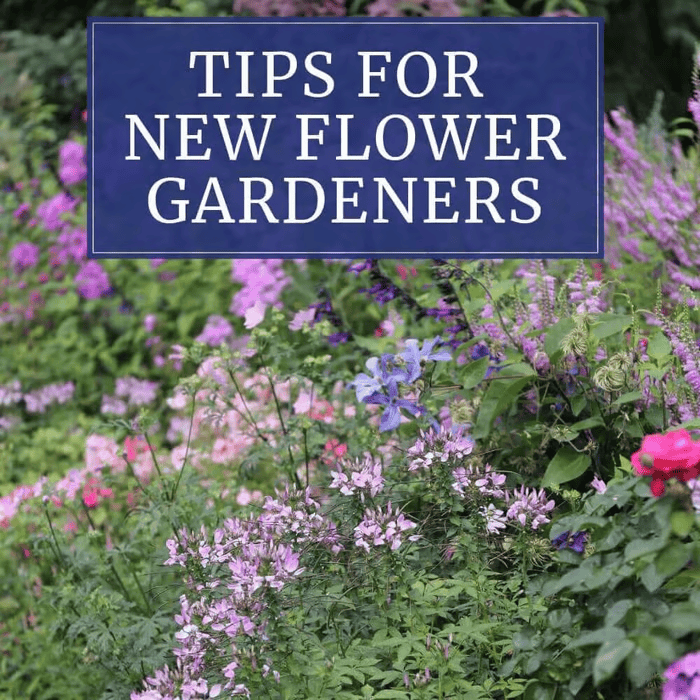
Starting a flower garden for the first time can feel overwhelming, especially when there are hundreds of flower varieties to choose from. The good news is that not all flowers require expert gardening skills. Many beautiful flowering plants are naturally hardy, fast-growing, and forgiving of beginner mistakes.
By choosing easy-to-grow flowers, you’ll enjoy colorful blooms with less maintenance while gaining confidence in your gardening abilities. Whether you’re planting in a backyard, raised bed, or containers on a balcony, the right flowers can turn any space into a vibrant garden.
This guide introduces ten beginner-friendly flowers that are simple to grow, require minimal care, and reward you with stunning blooms throughout the growing season.
Why Beginners Should Choose Easy-to-Grow Flowers
If you’re new to gardening, starting with low-maintenance flowers offers several advantages:
- Faster success with fewer gardening mistakes
- Continuous blooms throughout the season
- Lower maintenance requirements
- Better resistance to common pests and diseases
- Improved confidence as you learn gardening skills
These flowers are perfect for anyone looking to create a beautiful garden without spending hours on maintenance.
1. Marigolds
Marigolds are one of the easiest flowers for beginners and a favorite in gardens around the world. Their bright yellow, orange, and red blooms add cheerful color from late spring until the first frost.
Why They’re Great for Beginners
- Grow quickly from seeds or young plants
- Tolerate hot weather
- Require very little maintenance
- Naturally repel some garden pests
Growing Tips
- Plant in full sunlight.
- Water when the soil feels dry.
- Remove faded flowers to encourage continuous blooming.
2. Zinnias
Zinnias are colorful annual flowers that bloom heavily throughout summer and attract butterflies to your garden.
Benefits
- Fast-growing
- Excellent cut flowers
- Available in many colors
- Perfect for flower beds
Growing Tips
- Sow seeds directly into warm soil.
- Water deeply once or twice each week.
- Space plants properly to improve air circulation.
3. Sunflowers
Sunflowers are among the most rewarding flowers to grow. Their large blooms and towering stems make them a dramatic focal point in any garden.
Advantages
- Easy to grow from seed
- Loved by bees and birds
- Produce edible seeds
- Excellent for children’s gardens
Growing Tips
- Plant after the last frost.
- Choose a sunny location.
- Support taller varieties if necessary.
4. Cosmos
Cosmos produce delicate flowers that sway gracefully in the breeze while attracting bees and butterflies.
Why You’ll Love Them
- Thrive in poor soil
- Require minimal watering
- Bloom continuously
- Self-seed easily
Growing Tips
- Avoid over-fertilizing.
- Plant in full sun.
- Deadhead regularly for more blooms.
5. Petunias
Petunias are popular because they flower almost nonstop throughout summer and come in nearly every color imaginable.
Features
- Ideal for hanging baskets
- Perfect for containers
- Long blooming season
- Fragrant varieties available
Growing Tips
- Water consistently.
- Fertilize every few weeks.
- Remove faded flowers regularly.
6. Nasturtiums
Nasturtiums are unique because both their flowers and leaves are edible, making them attractive additions to flower and vegetable gardens alike.
Benefits
- Easy from seed
- Edible flowers
- Attract pollinators
- Help deter certain pests
Growing Tips
- Grow in average soil.
- Avoid excessive fertilizer.
- Water moderately.
7. Calendula
Often called “Pot Marigold,” calendula is known for its bright orange and yellow flowers.
Why Beginners Love It
- Cool-season bloomer
- Easy to grow
- Medicinal uses
- Long flowering period
Growing Tips
- Plant during spring or fall.
- Harvest flowers regularly.
- Water consistently.
8. Sweet Alyssum
Sweet Alyssum produces clusters of tiny flowers with a pleasant honey-like fragrance.
Advantages
- Excellent ground cover
- Attracts beneficial insects
- Works well in containers
- Blooms continuously
Growing Tips
- Plant in sunny or partially shaded areas.
- Trim lightly if flowering slows.
- Keep soil evenly moist.
9. Black-Eyed Susan
Black-Eyed Susans are cheerful perennial flowers recognized by their bright yellow petals and dark centers.
Benefits
- Drought tolerant
- Pollinator friendly
- Low maintenance
- Returns every year
Growing Tips
- Plant in full sun.
- Water regularly during the first growing season.
- Divide mature plants every few years.
10. Coneflowers (Echinacea)
Coneflowers are among the toughest perennials you can grow. Their colorful blooms attract bees, butterflies, and birds while requiring very little care.
Advantages
- Long blooming season
- Heat tolerant
- Drought resistant
- Excellent pollinator plant
Growing Tips
- Plant in sunny locations.
- Avoid overwatering.
- Leave seed heads during winter for birds.
Choosing the Right Flowers for Your Garden
When selecting flowers, consider:
Sunlight
Most flowering plants require at least six hours of direct sunlight each day.
Climate
Choose flowers suited to your local weather conditions.
Soil
Healthy, well-drained soil produces stronger plants and more flowers.
Garden Space
Consider mature plant size to avoid overcrowding.
Basic Flower Care Tips
Even easy-to-grow flowers need regular care.
Water Properly
Water deeply rather than frequently. Early morning is the best time.
Feed Occasionally
Use compost or a balanced flower fertilizer every four to six weeks.
Remove Weeds
Weeds compete with flowers for nutrients and moisture.
Deadhead Flowers
Removing spent blooms encourages plants to produce more flowers.
Watch for Pests
Inspect leaves regularly for aphids, caterpillars, or slugs.
Common Beginner Mistakes
Avoid these common gardening errors:
- Planting flowers too close together
- Overwatering
- Using poor-quality soil
- Ignoring sunlight requirements
- Applying too much fertilizer
- Forgetting to mulch
Learning from these mistakes will help your garden thrive.
Best Flowers for Containers
If you don’t have a large yard, many beginner-friendly flowers grow beautifully in containers.
Excellent choices include:
- Petunias
- Marigolds
- Sweet Alyssum
- Nasturtiums
- Zinnias
Use containers with drainage holes and quality potting soil for the best results.
Attract Butterflies and Bees
Many of these flowers naturally attract pollinators.
The best pollinator-friendly flowers include:
- Coneflowers
- Cosmos
- Zinnias
- Sunflowers
- Sweet Alyssum
Avoid chemical pesticides whenever possible to protect beneficial insects.
Essential Gardening Tools
You don’t need expensive equipment to grow flowers successfully.
Basic tools include:
- Garden gloves
- Hand trowel
- Watering can
- Garden hose
- Pruning shears
- Small rake
These simple tools are enough to start and maintain a healthy flower garden.
Final Thoughts
Growing flowers doesn’t have to be difficult. By choosing beginner-friendly varieties like marigolds, zinnias, sunflowers, petunias, and coneflowers, you can enjoy a colorful and thriving garden with minimal effort.
Start with just a few easy-to-grow flowers, learn their care requirements, and expand your garden as your confidence grows. With consistent watering, healthy soil, and regular maintenance, your garden will reward you with beautiful blooms throughout the season.
Frequently Asked Questions (FAQs)
What is the easiest flower for beginners to grow?
Marigolds are widely considered one of the easiest flowers for beginners because they grow quickly, bloom for months, and require very little maintenance.
Which flowers bloom all summer?
Petunias, zinnias, marigolds, and cosmos can bloom continuously throughout summer with proper care and regular deadheading.
Can I grow flowers in pots?
Yes. Many flowers, including petunias, marigolds, sweet alyssum, and nasturtiums, thrive in containers as long as they receive enough sunlight and water.
How often should beginner gardeners water flowers?
Most flowers need about one inch of water each week, though watering frequency depends on weather, soil type, and the specific plant.
What flowers attract butterflies?
Zinnias, coneflowers, cosmos, sunflowers, and sweet alyssum are excellent choices for attracting butterflies and other beneficial pollinators to your garden.