
Seasonal Gardening Tips for Homeowners
Introduction
Gardens require different care and planning depending on the season. Seasonal gardening ensures that plants receive the right environment, nutrients, and maintenance at each stage of growth. Homeowners who adjust planting, watering, and pest management according to seasonal conditions can maintain productive and organized gardens throughout the year.
This guide provides seasonal gardening tips for homeowners, covering spring, summer, autumn, and winter activities, so that gardens remain healthy and functional year-round.
Spring Gardening Tips
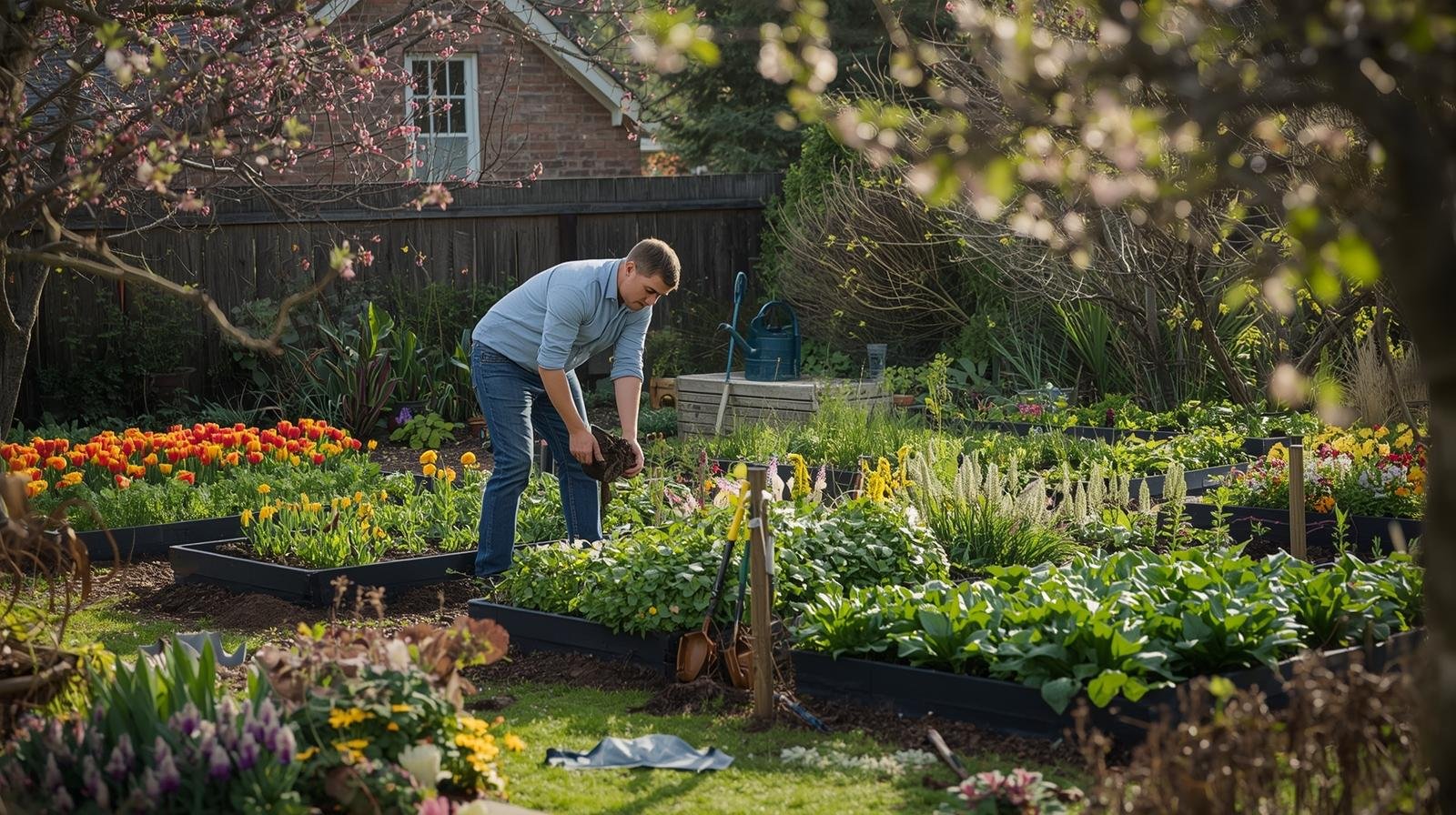
Spring marks the start of the growing season in most regions. Key activities include:
- Soil preparation: Clear debris from winter, loosen soil, and add compost or organic matter.
- Early planting: Start seeds indoors or in protected areas, such as leafy greens, herbs, and root vegetables.
- Transplanting seedlings: Move hardier seedlings outdoors once frost risk has passed.
- Pruning: Trim dead or damaged branches from shrubs and perennials.
- Pest monitoring: Inspect plants for early signs of pests or disease.
Spring activities focus on preparation, early growth, and establishing healthy plants for the coming season.
Summer Gardening Tips
Summer requires consistent care due to higher temperatures and active growth:
- Watering: Adjust watering frequency to account for hot, dry conditions. Water early in the day to reduce evaporation.
- Mulching: Maintain mulch to conserve moisture and suppress weeds.
- Support plants: Stake tall plants or provide trellises to prevent bending or breakage.
- Harvesting: Begin harvesting early crops to encourage continued production.
- Pest and disease control: Monitor for increased pest activity, fungal infections, or leaf damage.
Summer management ensures that plants remain healthy and productive during the peak growing period.
Autumn Gardening Tips
Autumn prepares the garden for winter and extends the harvest:
- Planting cool-season crops: Plant vegetables such as kale, spinach, and broccoli.
- Harvesting mature crops: Collect remaining summer crops before frost.
- Soil care: Add compost or mulch to improve fertility and protect soil over winter.
- Pruning and cleanup: Remove dead annual plants, trim perennials, and rake leaves.
- Protecting sensitive plants: Use covers or move container plants indoors to avoid frost damage.
Autumn activities focus on harvesting, soil enrichment, and preparing plants for colder conditions.
Winter Gardening Tips
Winter requires attention to plant protection and indoor gardening:
- Protecting outdoor plants: Cover delicate plants with frost cloths or move pots indoors.
- Indoor gardening: Maintain herbs, leafy greens, and houseplants indoors under sufficient light.
- Soil care: Avoid walking on frozen soil to prevent compaction; prepare for spring planting where possible.
- Tool maintenance: Clean and store tools, and repair or sharpen for the next season.
- Planning: Plan next year’s garden layout, crop rotation, and seed selection.
Winter tasks focus on protection, maintenance, and preparation for the upcoming season.
Year-Round Tips for Seasonal Gardening
Certain activities should be maintained across all seasons:
- Weeding: Remove weeds regularly to prevent competition with crops.
- Soil monitoring: Check soil moisture, pH, and nutrient content periodically.
- Pest inspection: Inspect plants consistently for pests or disease.
- Watering: Adjust water delivery according to weather conditions and plant needs.
- Record keeping: Track planting dates, harvests, and observations to improve future planning.
Consistent year-round attention ensures that seasonal adjustments are effective and gardens remain productive.
Crop Rotation and Planning
Seasonal gardening benefits from careful crop rotation:
- Rotate plant families: Avoid planting the same type of plant in the same location each season to prevent nutrient depletion and pest buildup.
- Follow seasonal cycles: Identify which plants grow best in each season and schedule planting accordingly.
- Successive planting: Stagger planting dates to maintain continuous harvests and maximize space.
Rotation and planning reduce soil stress and improve yield over multiple seasons.
Fertilization According to Season
Nutrient needs vary with plant growth stages and seasonal changes:
- Spring: Apply organic fertilizers to encourage early growth.
- Summer: Maintain regular feeding for active growth and flowering.
- Autumn: Apply slower-release fertilizers to prepare plants for dormancy.
- Winter: Minimal fertilization for indoor plants; maintain soil health for outdoor plants.
Adjusting fertilization according to seasonal growth patterns supports plant development and sustainability.
Pest and Disease Management by Season
Pest activity changes with seasons:
- Spring: Watch for early insects and fungal spores.
- Summer: Manage high pest activity with natural controls or physical barriers.
- Autumn: Reduce pest habitats by clearing debris and removing infected plants.
- Winter: Protect indoor plants from pests and monitor greenhouses or containers.
Season-specific monitoring and intervention reduce crop loss and maintain plant health.
Seasonal Watering Guidelines
Water needs vary with temperature and season:
- Spring: Moderate watering as plants begin growth.
- Summer: Increase frequency and amount due to higher evaporation and active growth.
- Autumn: Reduce watering as temperatures decline and growth slows.
- Winter: Minimal watering for dormant outdoor plants; adjust indoor plant care.
Seasonal water management prevents overwatering and under-watering while supporting optimal growth.
Seasonal Plant Selection
Select plants suited to seasonal conditions:
- Spring crops: Leafy greens, herbs, and early vegetables.
- Summer crops: Tomatoes, peppers, beans, and cucumbers.
- Autumn crops: Broccoli, kale, root vegetables, and late-season herbs.
- Winter crops: Indoor herbs, leafy greens, and winter-hardy vegetables in protected environments.
Matching plant selection with the season ensures successful growth and harvest.
Conclusion
Seasonal gardening involves adjusting planting, care, watering, fertilization, and pest management according to environmental conditions. By following seasonal practices in spring, summer, autumn, and winter, homeowners can maintain productive and organized gardens throughout the year.
Consistent monitoring, crop rotation, soil care, and careful plant selection improve garden performance and support sustainable growth. Seasonal gardening planning allows homeowners to maximize yields, maintain healthy plants, and enjoy continuous harvests.

Leave a Reply